
6 Projects Where Crane Services Are Needed
By Vincent Kundert | August 25, 2026
Modern construction, industrial development, and property maintenance projects often involve heavy materials that exceed the capabilities of standard equipment and manual labor. From elevating multi-ton air-handling units to positioning massive steel beams, specialized lifting equipment ensures challenging tasks are completed safely, efficiently, and on schedule. Understanding when specialized assistance is required helps contractors and property owners save time, protect workers, and eliminate costly job site delays. The following seven applications showcase key scenarios where hiring professional crane services is vital to project success.
1. Lifting Heavy HVAC Equipment
Heating, ventilation, and air conditioning systems are essential components of commercial buildings, school facilities, healthcare institutions, and large residential properties. However, commercial rooftop HVAC units can weigh several thousand pounds, making them impossible to maneuver using traditional manual rigging or standard hydraulic lifts.
When replacing an outdated cooling unit or installing a modern system on a multi-story roof, precise vertical reach and exceptional stability are mandatory. Crane operators utilize specialized rigging to balance these delicate, high-value mechanical systems during elevation. Moving an HVAC unit over the edge of a building requires exact calculations regarding radius, boom length, wind speed, and total weight capacity. Attempting to hoist such heavy equipment without certified machinery can damage the building's structure, ruin the climate control unit, and put ground personnel in harm's way.
In addition to rooftop unit placement, specialized lifting equipment helps position associated mechanical components, including:
- Massive industrial chillers and commercial boilers
- Large backup generators and high-voltage electrical transformers
- Heavy exhaust fans, cooling towers, and commercial ductwork frameworks
By hiring trained professionals, project managers ensure that mechanical installations are completed with minimal downtime, protecting both the financial investment and the surrounding facility structure.
2. Erecting Structural Steel Frameworks
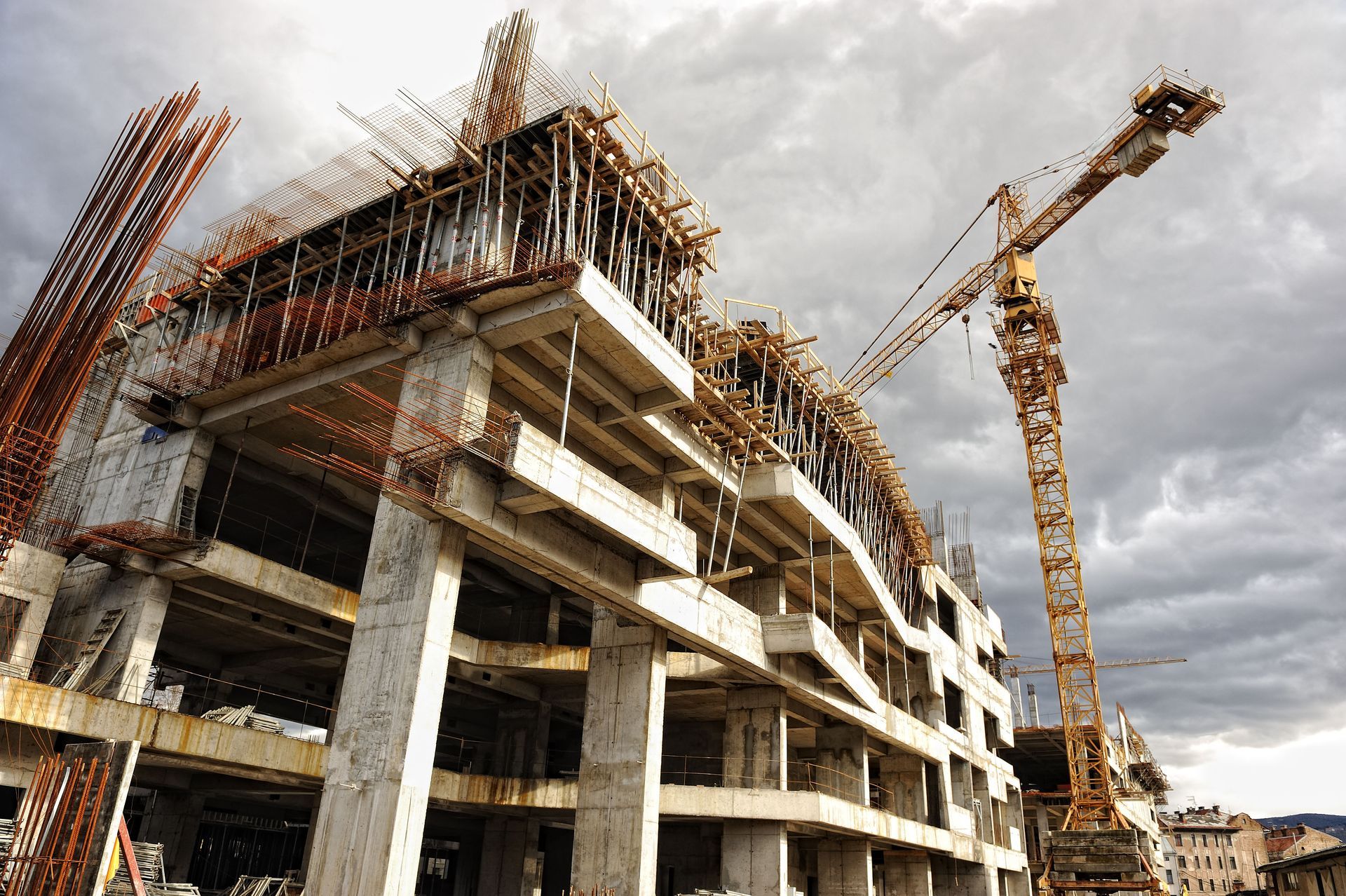
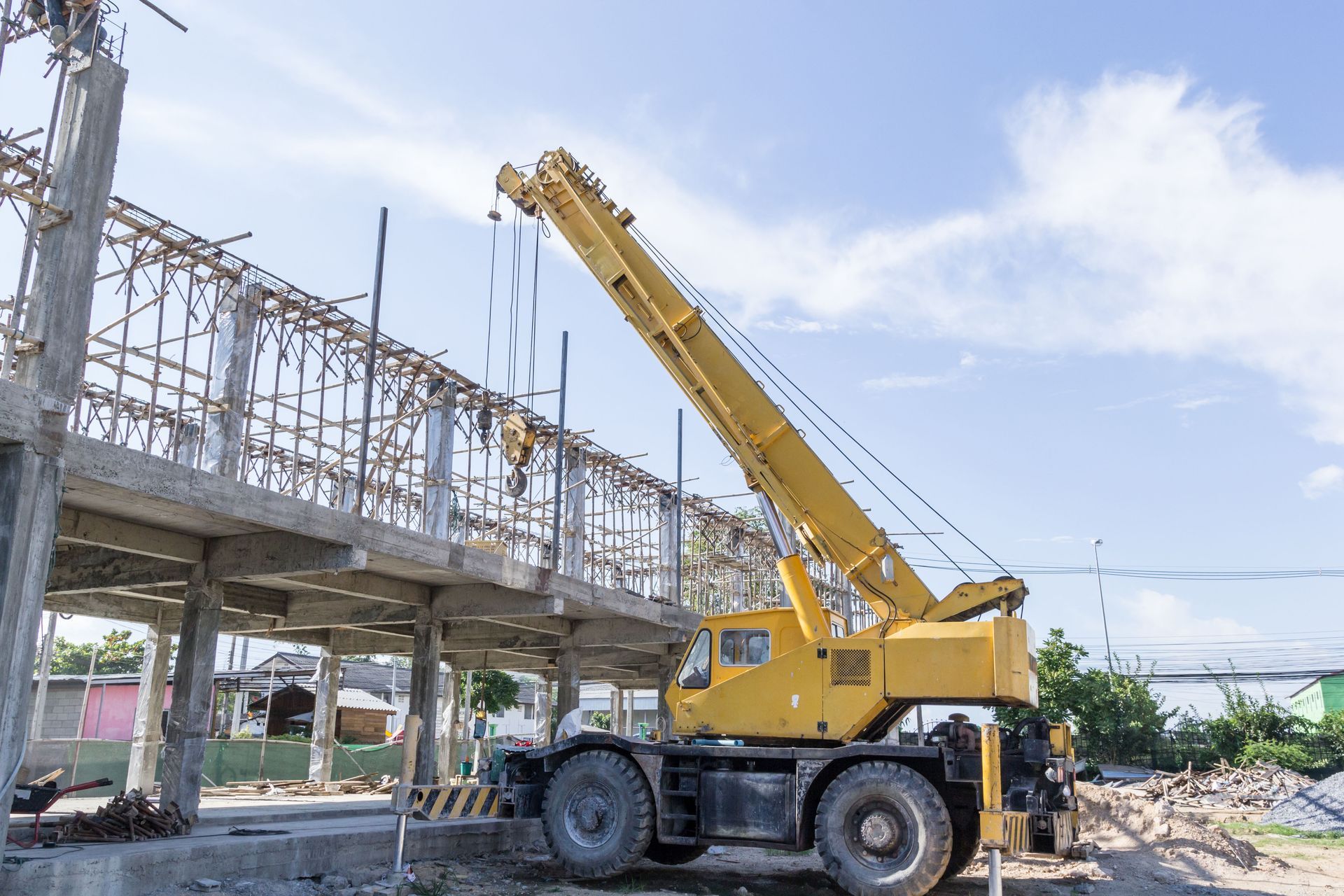
Building modern commercial spaces, industrial warehouses, and institutional structures relies heavily on structural steel frameworks. Steel columns, girders, and trusses form the primary skeleton of a building and require flawless alignment during construction. Because individual steel beams can weigh thousands of pounds and span dozens of feet, maneuvering them into place at extreme heights demands extraordinary precision. During structural steel erection, ironworkers rely on crane services to hold heavy components steady while connections are bolted or welded together.
A smooth, controlled lift allows ironworkers to align bolt holes without fighting the natural sway of an unstable load. Having proper lifting power on-site streamlines the entire building timeline, allowing construction crews to complete structural frameworks in fewer days. Safety remains the highest priority during frame erection. Wind conditions, load angles, rigging lines, and ground stability must be continuously evaluated throughout the workday.
Certified operators work in direct communication with signal persons on the ground and structural teams in the air, ensuring that every beam transitions smoothly from the delivery flatbed to its final structural resting point. This meticulous coordination prevents structural misalignments and keeps job sites running safely and efficiently.
3. Placing Prefabricated Modular Buildings
Modular construction has revolutionized the building industry, offering rapid installation schedules and reduced material waste. Prefabricated home sections, commercial office pods, and temporary school classrooms are constructed off-site in factory settings and transported directly to their final locations. Once these large modular components arrive on site, they must be lifted off transport trailers and set onto prepared foundations with pinpoint accuracy. Placing modular units presents unique lifting challenges for installation crews.
Unlike raw construction materials that can withstand minor surface scrapes, prefabricated structures are fully finished units containing drywall, windows, electrical wiring, and internal plumbing. Consequently, lifting these structures requires specialized spreader bars and multi-point rigging systems to distribute weight evenly and prevent structural flexing, wall racking, or internal cosmetic cracking.
Experienced crane services provide the necessary reach and weight distribution to position modular sections across wide foundations. Whether lowering a single residential module onto a basement foundation or stacking multi-story commercial units, hydraulic machinery provides smooth, gradual movement.
4. Relocating Massive Industrial Machinery
Manufacturing plants, processing facilities, and machine shops frequently need to reconfigure production lines, install new equipment, or decommission aging machinery. Moving heavy items such as stamping presses, injection molding machines, industrial pumps, and CNC equipment requires specialized material-handling techniques. Because industrial facilities often feature tight indoor quarters, narrow access routes, and overhead obstructions, moving large machinery requires detailed pre-lift planning and specialized rigging.
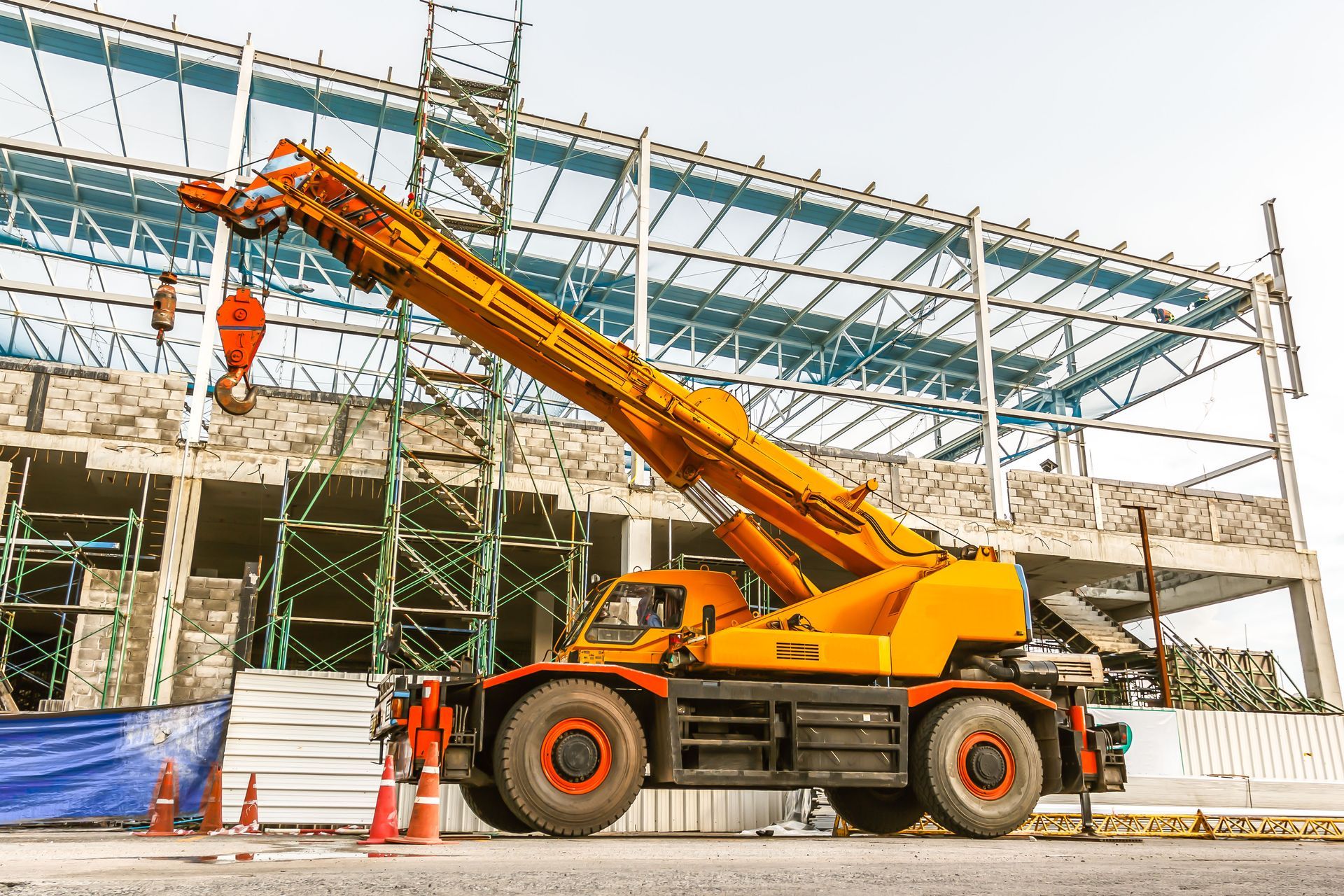
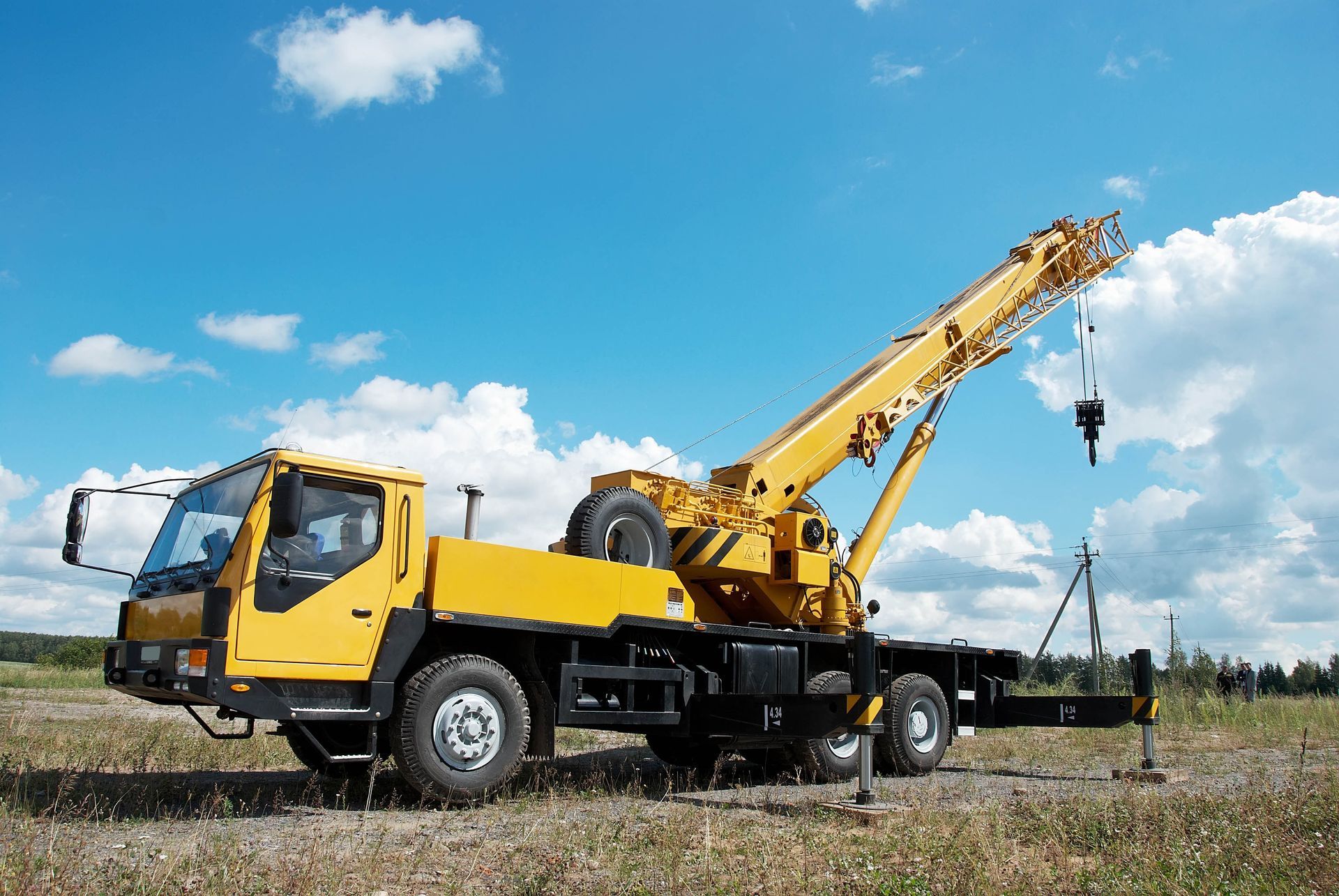
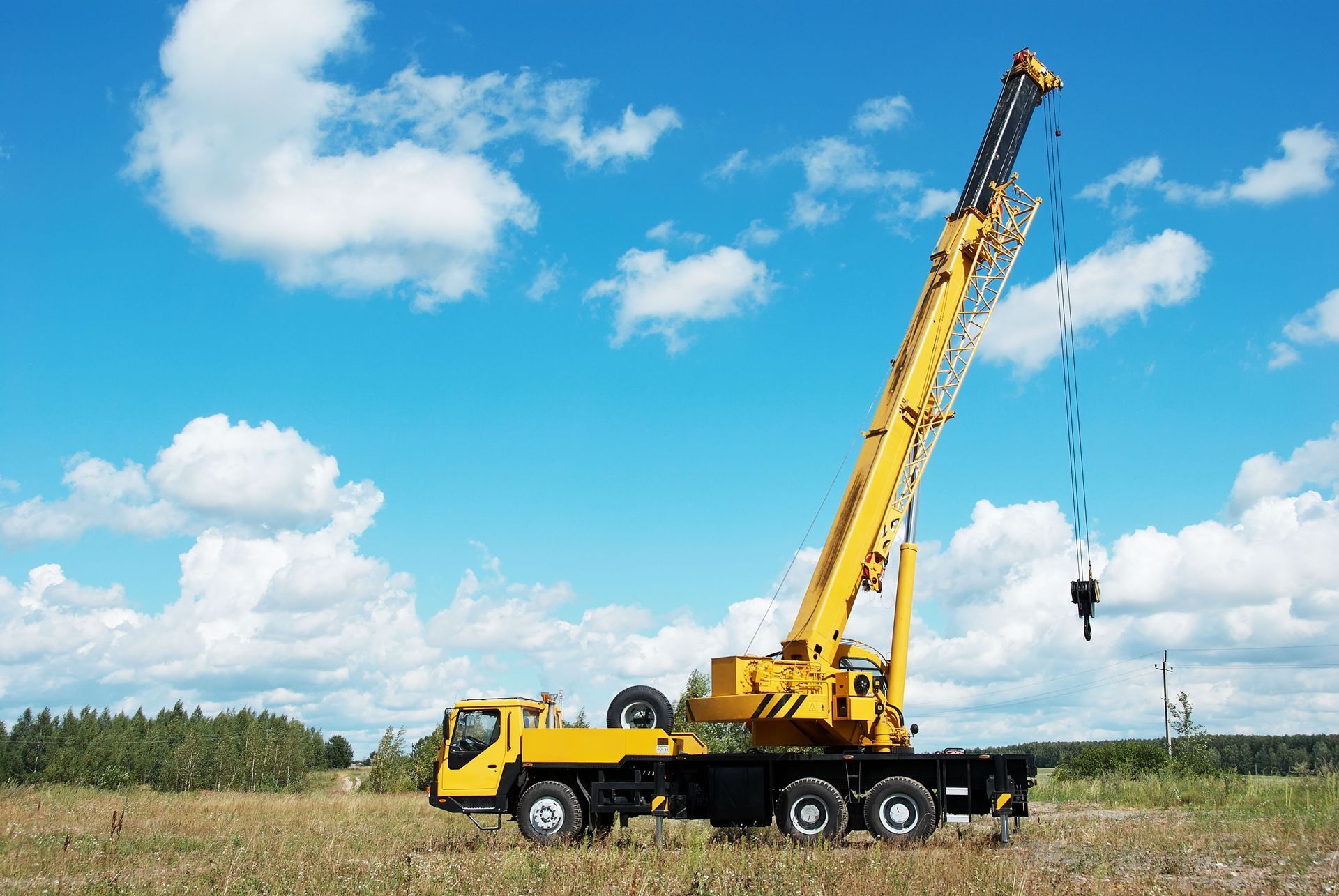
According to PSmarketresearch.com, mobile crane rentals accounted for the largest share of the market in 2024, at 55% of total revenue. This market dominance underscores how heavily modern industrial facilities rely on flexible, transportable lifting solutions to handle complex machinery moves. Mobile units can be driven directly onto job sites, set up quickly with hydraulic outriggers, and operated efficiently in tight footprints where stationary equipment cannot fit.
When moving heavy machinery, precision is just as critical as raw lifting capacity. Dropping or tilting an expensive piece of industrial equipment can cause severe internal damage, resulting in thousands of dollars in repairs, property damage, and lost production time. Reliable crane services can carefully calculate gravity centers, secure fragile components, and use precision hydraulic controls to safely extract, transport, and place heavy industrial assets.
5. Positioning Essential Utility Infrastructure
Public infrastructure and utility projects are the backbone of modern communities, requiring constant maintenance, expansion, and technological upgrades. Erecting cellular towers, installing power distribution poles, positioning municipal water tanks, and laying underground pipeline sections all require heavy-lifting capabilities. Utility infrastructure is frequently located along busy roadways, in dense urban neighborhoods, or across rugged rural terrain.
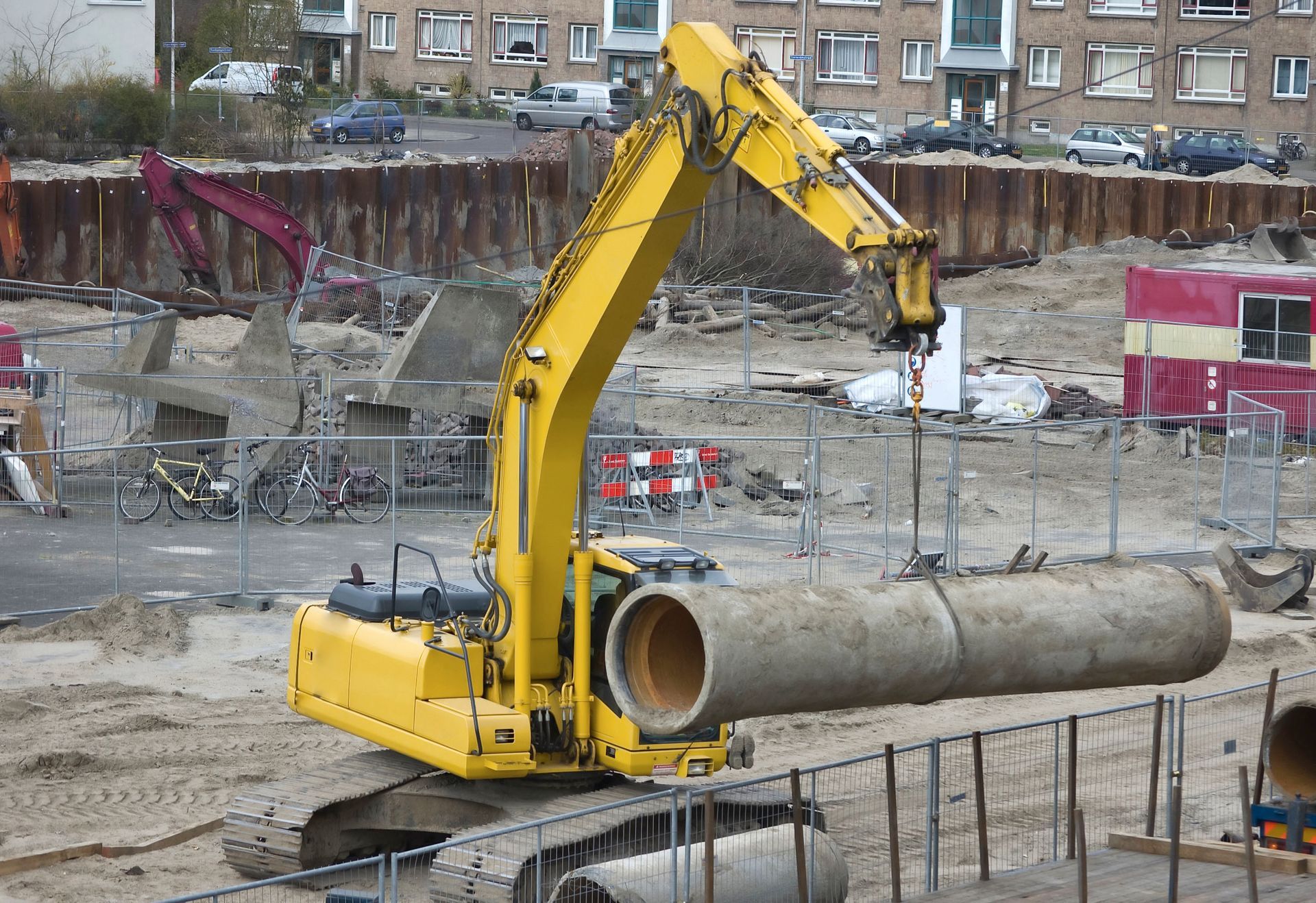
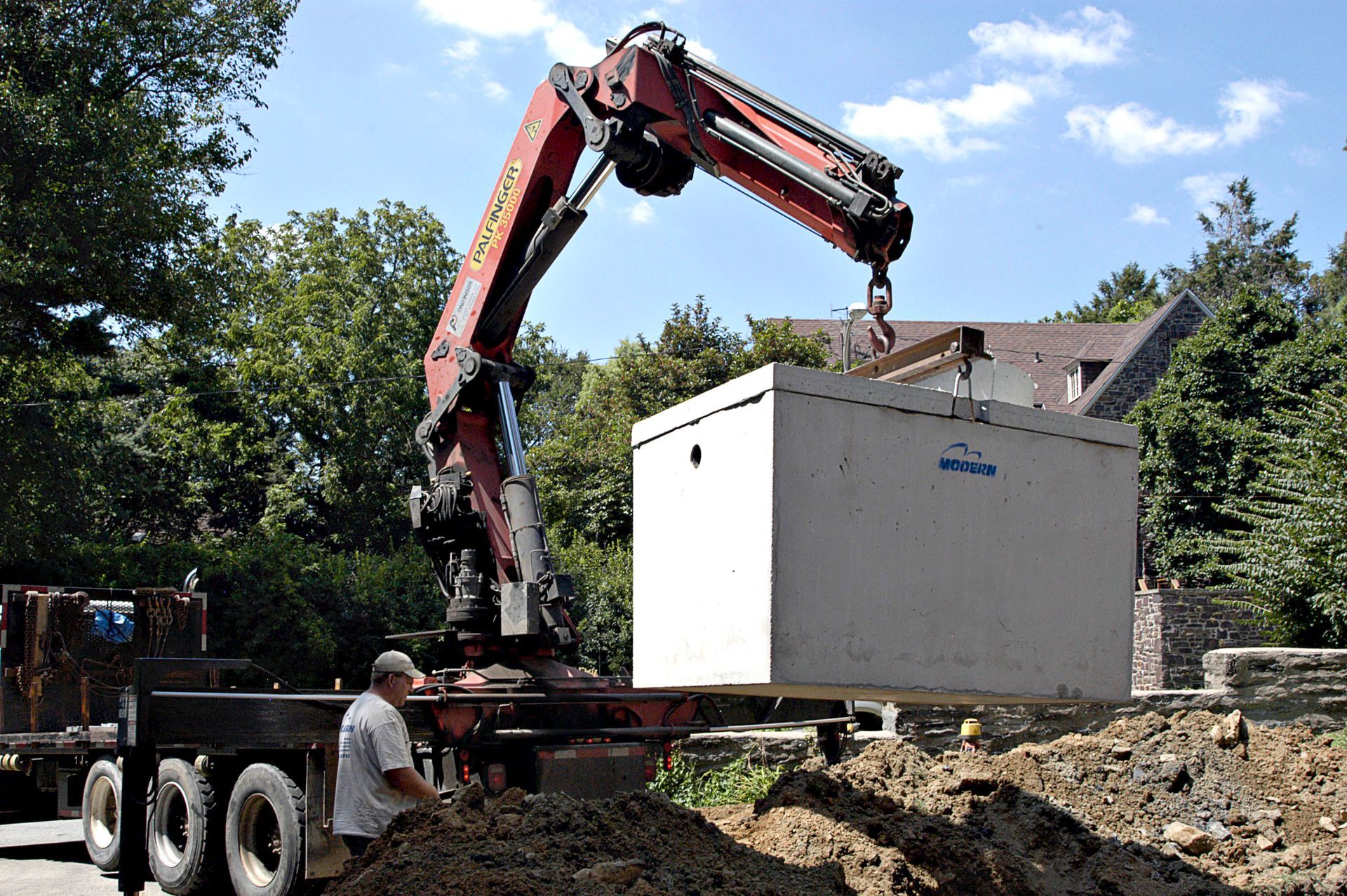
In telecommunications, for instance, installing microwave dishes, cellular antennas, and radio towers requires lifting delicate technological equipment hundreds of feet into the air. Similarly, municipal water and sewer projects require lowering massive concrete pipes, vaults, and pumping stations into deep trenches.
These tasks require precise control to avoid striking existing power lines, underground gas mains, or nearby structures. Using professional crane services for utility installations provides several distinct operational advantages:
- High-reach capability for tall communication towers and utility poles
- Heavy load capacity for concrete vaults, tanks, and iron pipes
- Controlled, steady movement that minimizes risk near active power lines
- Reduced environmental impact through precise equipment positioning
These capabilities allow utility crews to complete essential community upgrades efficiently while maintaining strict safety standards and minimizing service disruptions for local residents.
6. Clearing Storm Debris and Emergency Hazards
Severe weather events, including high winds, heavy ice storms, and tornadic activity, can cause sudden, devastating damage to residential and commercial properties. Falling trees can crush roof structures, block major roadways, or collapse onto active power lines. In emergency situations where heavy debris poses an immediate threat to life or property, standard tree care tools and light equipment are often insufficient. Safely removing a large tree that has fallen onto a house requires specialized aerial lifting.
Cutting a fallen tree without supporting its massive weight can cause the timber to shift unpredictably, causing additional structural damage or threatening emergency workers. By lifting the tree off the structure before making strategic cuts, operators eliminate dangerous tension points and allow ground crews to remove the hazard safely. Time is critical during emergency storm recovery. Utilizing professional crane services enables disaster response teams to stabilize damaged structures, clear blocked transportation corridors, and rapidly restore power infrastructure.
Choosing the Right Professional Crane Services
Selecting the proper equipment and certified operators is the single most important decision for any major lifting project. Every job site presents unique physical constraints, soil conditions, access challenges, and weight requirements. Attempting to manage heavy lifts with underpowered machinery or uncertified personnel increases operational costs, extends project timelines, and creates severe job site hazards.
Certified operators analyze load weights, calculate required boom radii, inspect ground conditions, and select the exact rigging hardware necessary for a secure operation. Partnering with experienced professionals ensures that your project complies with all occupational safety regulations, local ordinances, and industry best practices.
Whether you are managing a routine HVAC installation, assembling a steel building, or responding to an emergency storm cleanup, investing in experienced crane services guarantees that your heavy lifting is completed with precision, efficiency, and absolute safety. Experienced operators bring peace of mind, allowing your site manager to focus on overall project execution while knowing the heavy lifting is handled expertly. When you need reliable heavy lifting for your next commercial, residential, or industrial project, contact Larry's Crane to schedule your consultation today.
Share On: