
How to Choose the Right Crane Rental Company
By Vincent Kundert | April 13, 2026
Selecting the right crane rental company is crucial to ensuring the success of a project in the construction and development industries. This decision affects budgeting, scheduling, safety, compliance, and overall productivity. A careful and informed selection process helps minimize operational risks, avoid costly delays, and maintain regulatory compliance. As construction projects grow more complex and timelines tighten, partnering with a dependable crane rental provider becomes increasingly important. By evaluating your project requirements, researching providers thoroughly, and comparing contractual and support offerings, you can secure a rental partner that contributes meaningfully to project efficiency and long-term success.
Understand Your Project Requirements
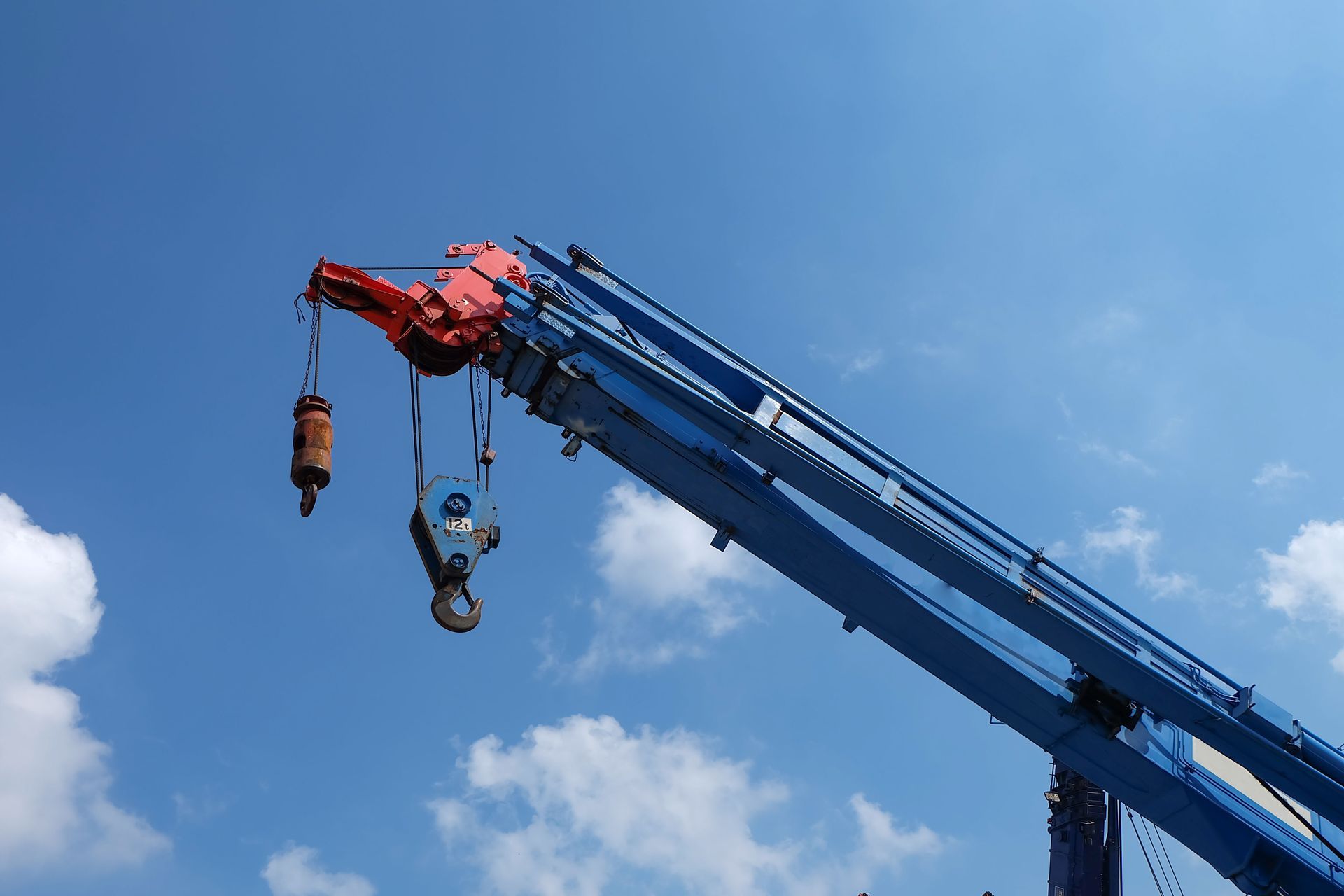
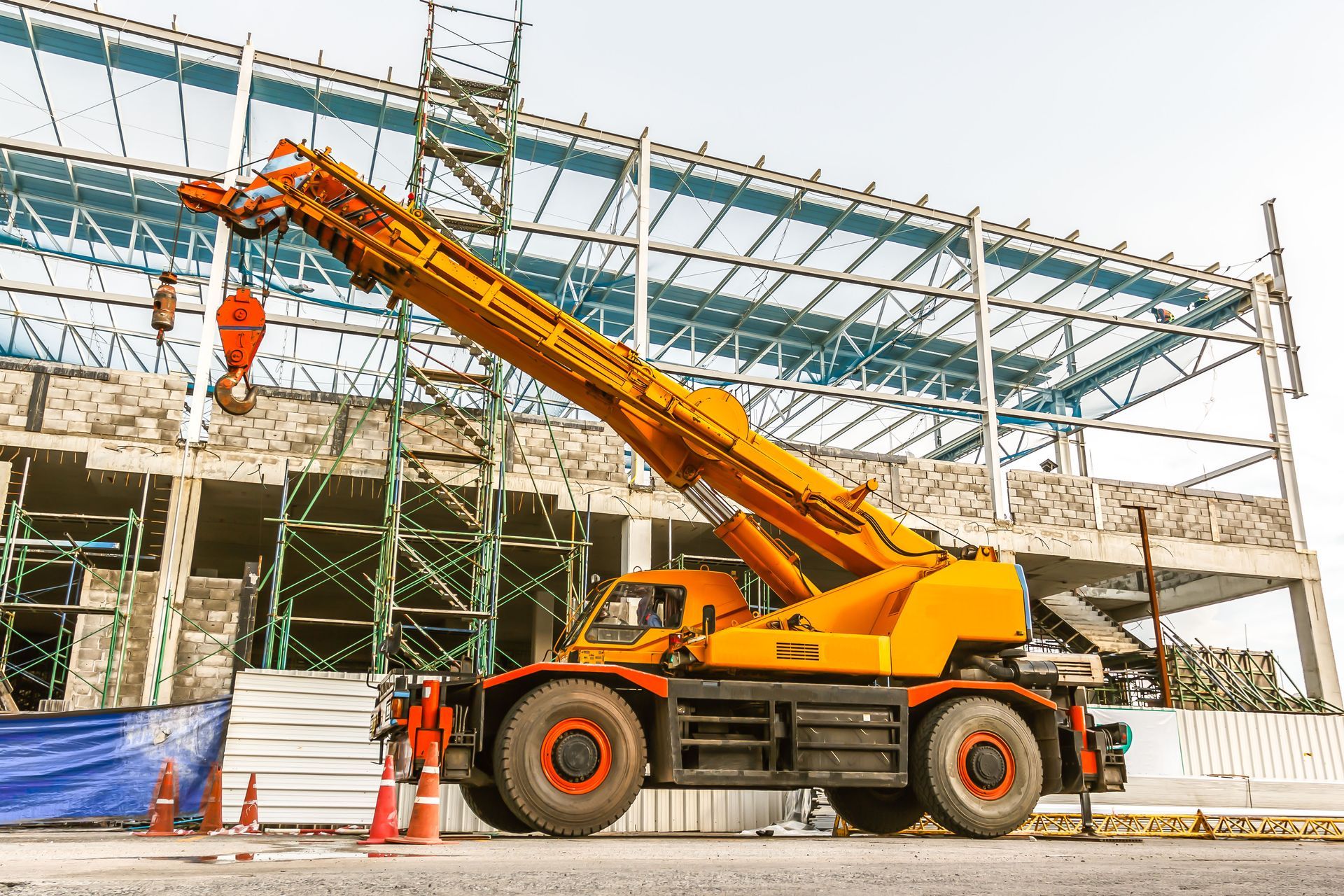
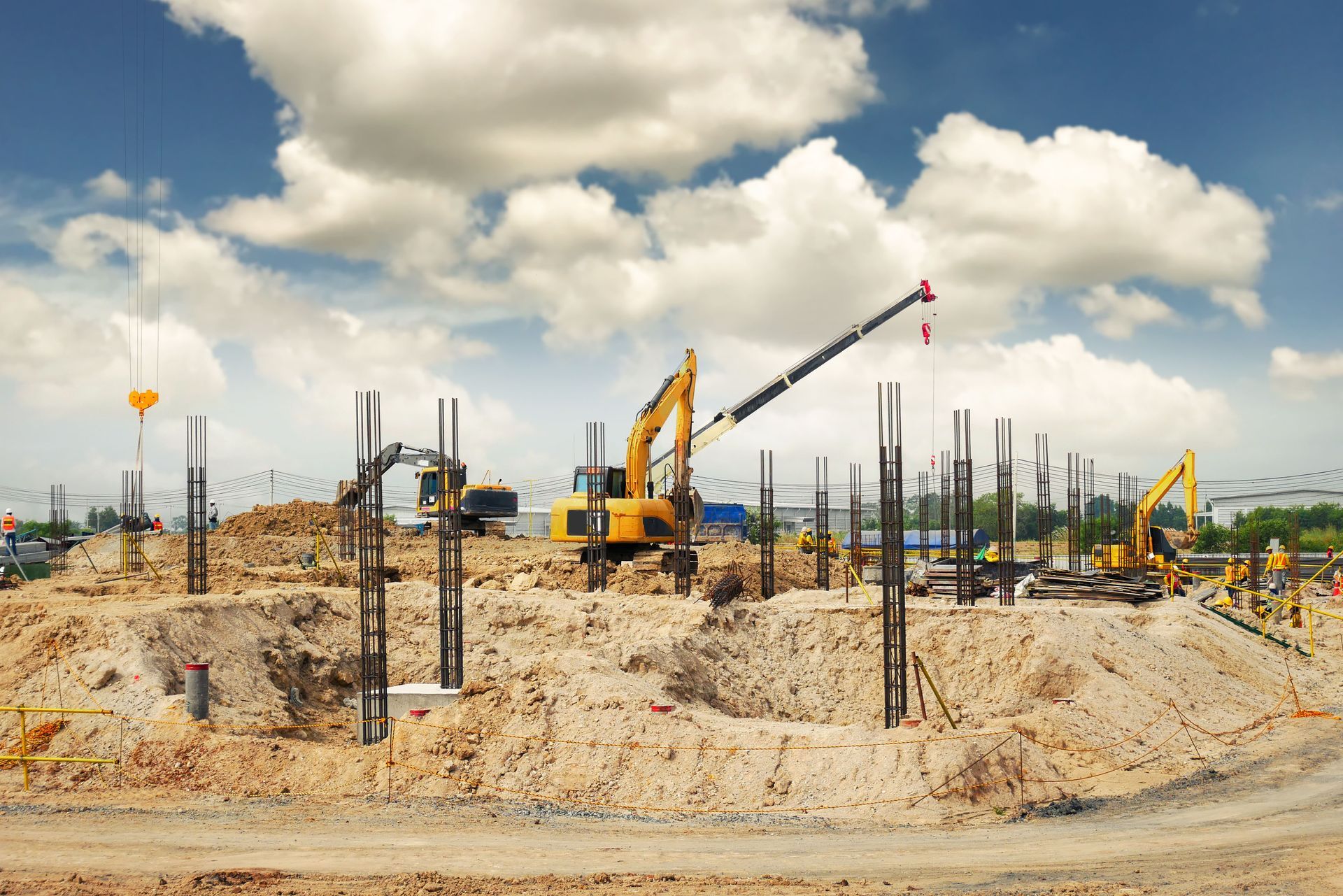
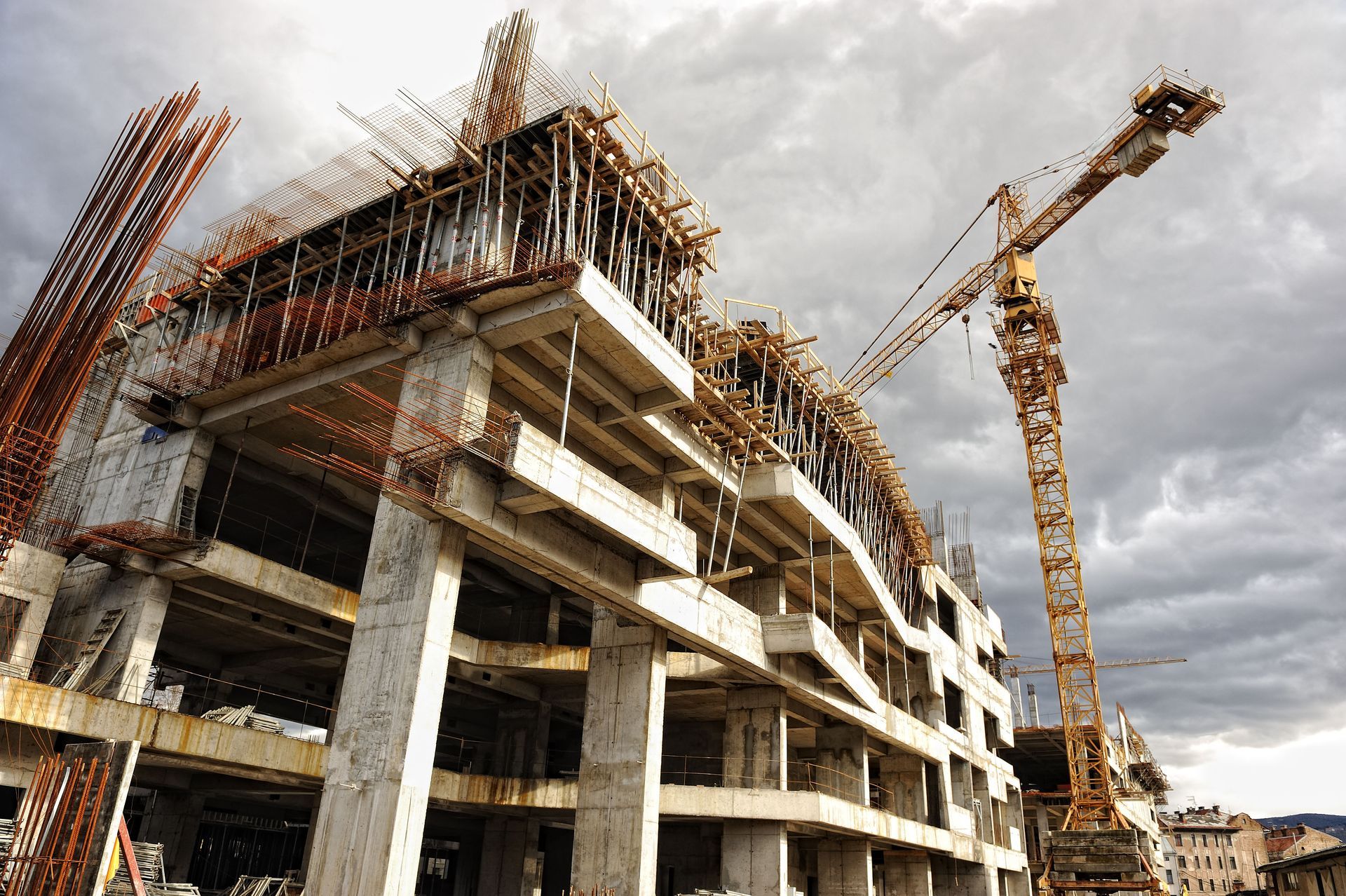
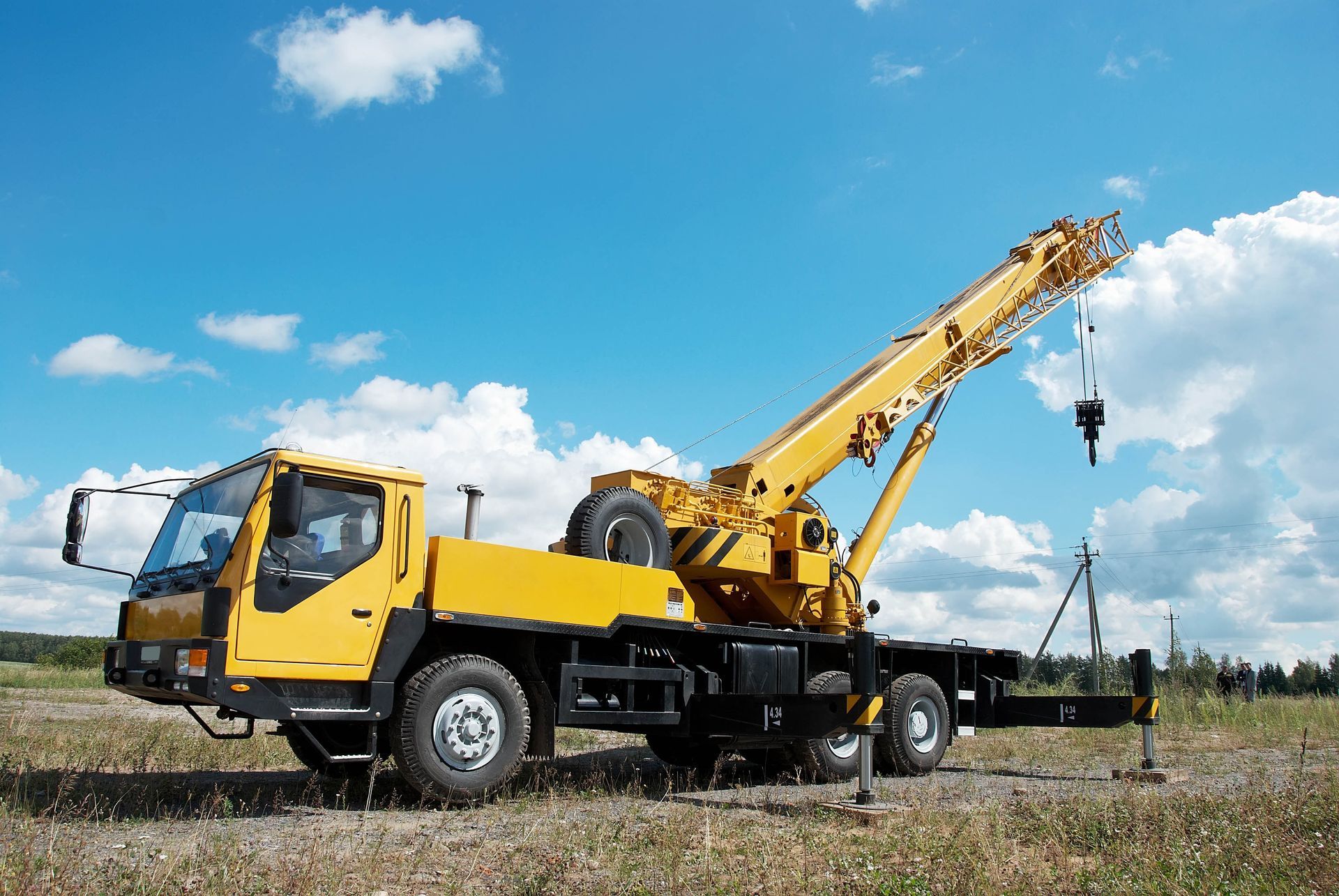
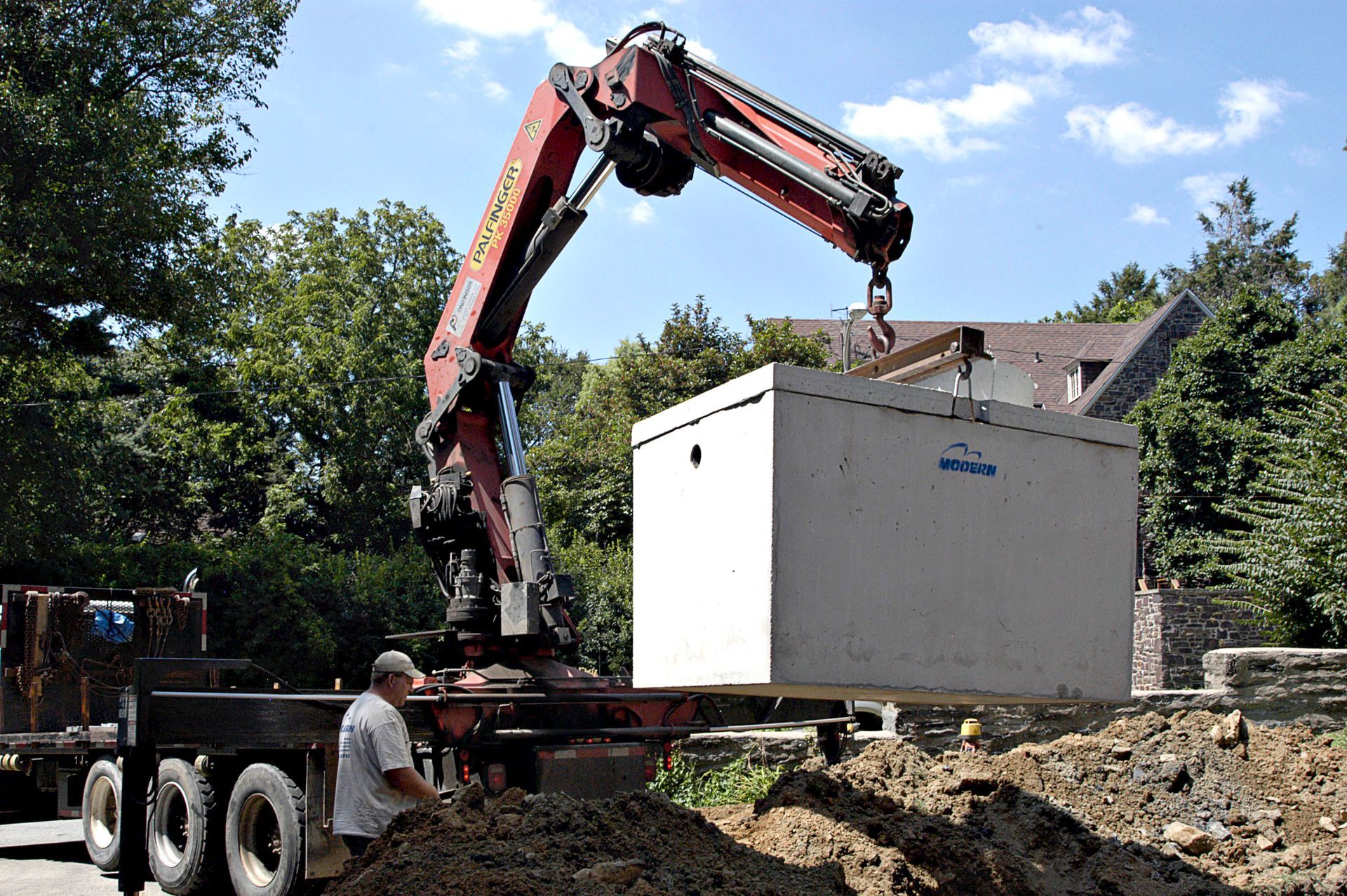
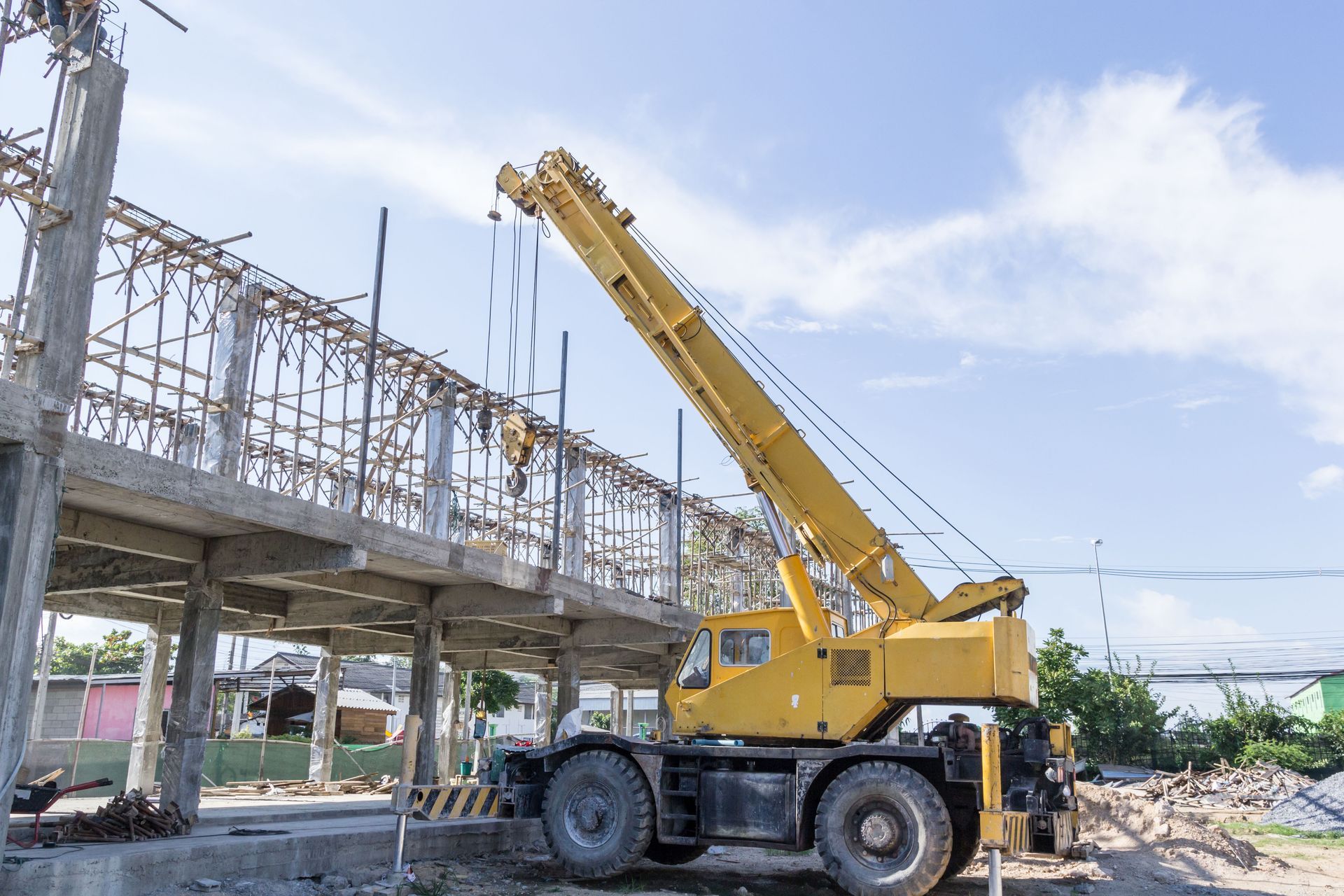
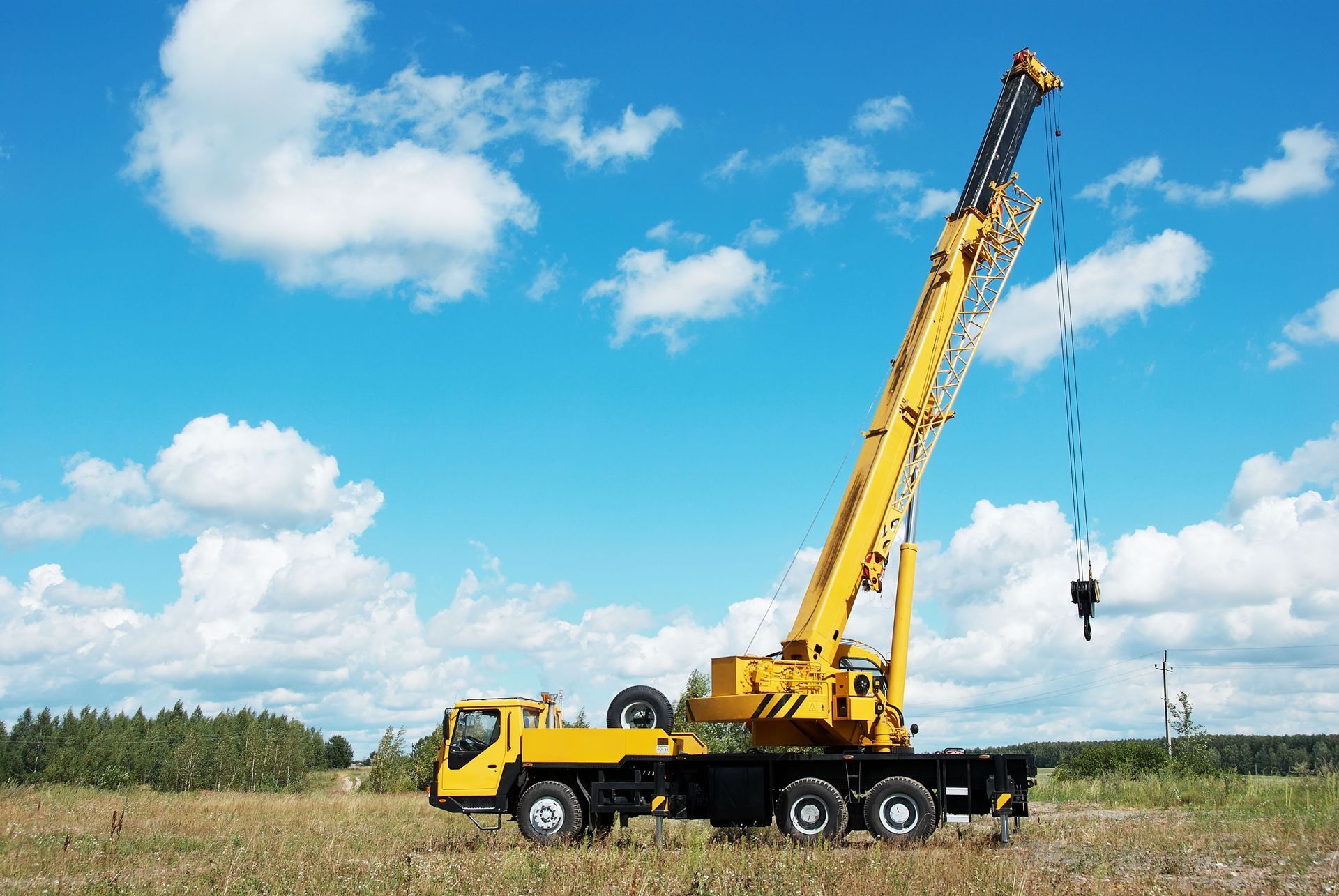
Every successful crane rental starts with a clear understanding of the project’s scope. Construction projects differ in height, load demands, space limitations, and site conditions, requiring different crane types such as tower, mobile, or truck-mounted models. Identifying these needs early ensures the selected equipment aligns with operational requirements and prevents inefficiencies or safety risks.
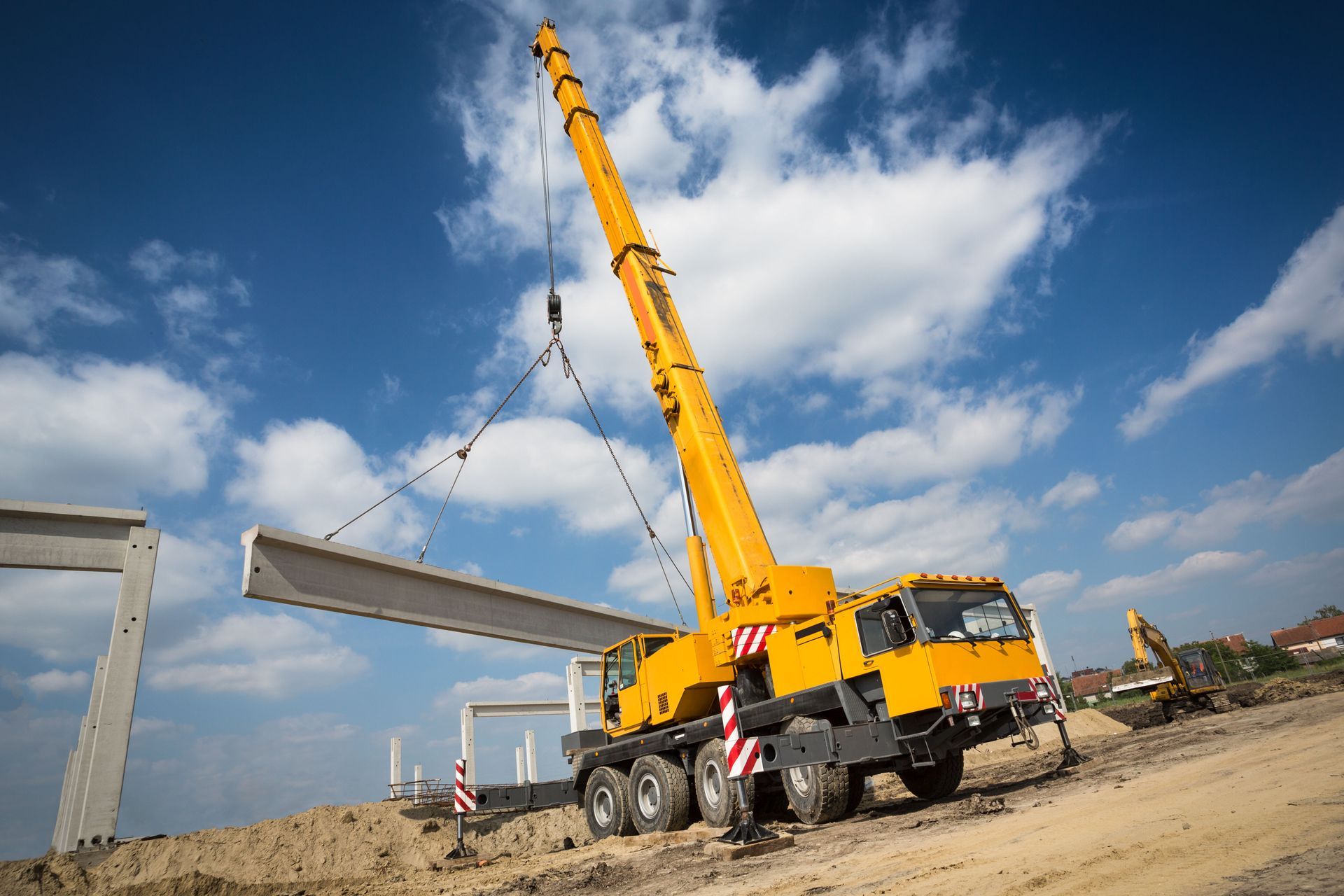
Modern projects often involve specialized tasks, from lifting prefabricated components to working in tight urban spaces. Evaluating factors like boom length, reach, mobility, and setup requirements helps narrow options and improves communication with rental providers. Clear planning enables companies to recommend the most suitable equipment.
The crane rental market is also evolving. According to Transparency Market Research, the truck-mounted cranes market size was valued at US$ 2.5 Billion in 2024 and is estimated to grow at a CAGR of 5.5% from 2025 to 2035. This growth reflects rising demand for versatile crane solutions and highlights the importance of staying informed about industry trends.
Load capacity remains a critical consideration. Each crane is designed for specific limits, and selecting equipment with insufficient capacity can create serious safety hazards. At the same time, oversizing equipment can increase costs unnecessarily. Accurate assessments must consider not only weight but also load radius, lift height, frequency of lifts, and material type.
Modern cranes feature advanced load monitoring and stability systems that enhance safety and efficiency. Understanding and applying these capabilities ensures better productivity while protecting workers, equipment, and project timelines.
Research Potential Crane Rental Companies
The reputation of a crane rental company provides valuable insight into its reliability and professionalism. Established companies with positive industry standing are more likely to deliver well-maintained equipment, experienced operators, and dependable service. Online reviews, testimonials, and third-party ratings can offer an initial overview of client satisfaction and performance history.
However, reputation evaluation should go beyond digital feedback. Reviewing a crane rental company’s project portfolio reveals whether it has successfully handled projects similar in scale and complexity to yours. Long-standing industry presence often reflects operational stability and refined processes. Additionally, professional affiliations, awards, or repeat contracts with major contractors can signal credibility.
Engaging directly with industry peers is another effective strategy. Contractors, project managers, and site supervisors who have previously worked with rental providers can share candid feedback about reliability, responsiveness, and equipment quality. These firsthand insights frequently uncover strengths or weaknesses that may not appear in marketing materials. A well-researched reputation assessment reduces uncertainty and strengthens confidence in your final decision.
Licensing and certification are non-negotiable components of selecting a crane rental company. Regulatory requirements vary by region, but legitimate providers must hold appropriate licenses to operate and supply lifting equipment. Verifying documentation ensures the crane rental company complies with local and national standards, reducing legal and financial risks for your project.
Certifications also reflect a commitment to safety and professional excellence. Operators should hold recognized credentials demonstrating competency in crane operation. Companies that prioritize ongoing training and certification updates show dedication to maintaining high operational standards. This focus on compliance significantly lowers the risk of accidents and worksite violations.
Transparency in providing documentation is equally important. A reputable crane rental company should willingly share licensing records, inspection reports, and safety certifications. Clear documentation builds trust among stakeholders and reassures clients that the provider operates within established legal frameworks. Ensuring proper compliance from the outset prevents disruptions that could compromise project timelines.
Compare Cost and Contract Details
Cost considerations play a central role in selecting a crane rental partner. Obtaining detailed quotations from multiple providers allows for meaningful comparisons. Comprehensive quotes should clearly outline rental duration, equipment specifications, operator fees (if applicable), transportation costs, setup charges, and any additional services included.
Construction budgets can quickly escalate due to unforeseen expenses. Clarifying potential extra costs—such as fuel surcharges, overtime rates, maintenance fees, or standby charges—prevents surprises during project execution. Transparent pricing structures support accurate forecasting and better financial planning.
Beyond pricing, the quality and clarity of the quotation itself can reveal a company’s level of professionalism. Providers who take the time to understand project specifics and tailor their proposals accordingly demonstrate commitment and attentiveness. Customized quotes often reflect a deeper engagement with client needs and can lead to smoother collaboration throughout the rental period.
In addition to pricing, contract terms deserve careful scrutiny. Rental agreements should clearly define responsibilities related to maintenance, repairs, insurance coverage, liability, and equipment replacement in case of malfunction. Understanding these provisions protects your organization from unexpected legal or financial exposure.
Insurance coverage is particularly critical. Confirm that the rental company carries adequate liability insurance and that terms align with your project’s risk profile. Clearly defined dispute resolution procedures and cancellation policies further safeguard project continuity. Thorough contract review ensures mutual understanding and minimizes the potential for conflicts during execution.
Assess Customer Service and Support
Even the most reliable equipment can encounter operational issues. Access to responsive technical support ensures minimal downtime if problems arise. When evaluating crane rental companies, inquire about support availability, response times, and on-site assistance capabilities.
Providers offering 24/7 technical support demonstrate strong commitment to operational continuity. Quick response to mechanical or technical concerns can prevent costly project delays. Additionally, well-trained technicians and support staff contribute to efficient troubleshooting and safe equipment operation.
Assessing historical performance metrics—such as average resolution times or maintenance turnaround—can further inform your decision. Companies with proven service records are better equipped to maintain crane uptime and ensure project schedules remain intact.
If the rental includes crane operators, evaluating their qualifications is equally important. Experienced operators contribute significantly to safe and efficient lifting operations. Confirm that operators have appropriate certifications, practical experience with similar projects, and familiarity with site-specific requirements.
Companies that invest in regular training programs for their personnel typically maintain higher safety standards. Skilled operators not only reduce accident risks but also improve overall productivity through precise handling and efficient maneuvering. This expertise directly influences project outcomes.
Ensure Compliance and Legal Understanding
Crane operations are subject to strict regulatory oversight. Local authorities often require permits, inspections, and adherence to environmental and safety guidelines. Failing to comply with these regulations can result in fines, project shutdowns, or reputational damage.
Working with a rental company knowledgeable about regional regulations simplifies compliance. Experienced providers can guide clients through permit acquisition, inspection scheduling, and documentation requirements. Their familiarity with local standards ensures smoother coordination with regulatory bodies.
The regulatory landscape is continually evolving. Companies that proactively monitor changes and update procedures accordingly offer added value. Staying ahead of compliance requirements reduces risk and promotes seamless project execution.
Selecting the right crane rental company requires careful research and evaluation. From assessing technical needs and load capacity to verifying licenses, reviewing contracts, and checking reputation, each step supports project success. Strong customer service, technical support, and regulatory compliance further ensure smooth operations. With a structured approach, construction professionals can choose a rental partner that aligns with their goals, safety standards, and budget—supporting efficient, compliant, and successful project outcomes. Contact Larry's Crane to work with a crane rental company that provides dependable crane rental in Lodi, CA.
Share On: