
The Importance of Certified Operators in Crane Services
By Vincent Kundert | March 20, 2026
Crane services are a fundamental component of the construction and industrial sectors, making an undeniable mark on project developments worldwide. The tasks within such projects demand precision, safety, and skill, necessitating the presence of certified crane operators. Certified operators play an essential role in ensuring that crane services are efficient, adhere to safety standards, and comply with industry regulations. As industry standards become more stringent, the demand for certified professionals has risen, aiding projects in reducing risks associated with crane operations. This article will explore the various facets of crane operation where certified operators prove indispensable, focusing on safety, efficiency, compliance, risk management, technological advancements, and economic impact.
Ensuring Safety Standards
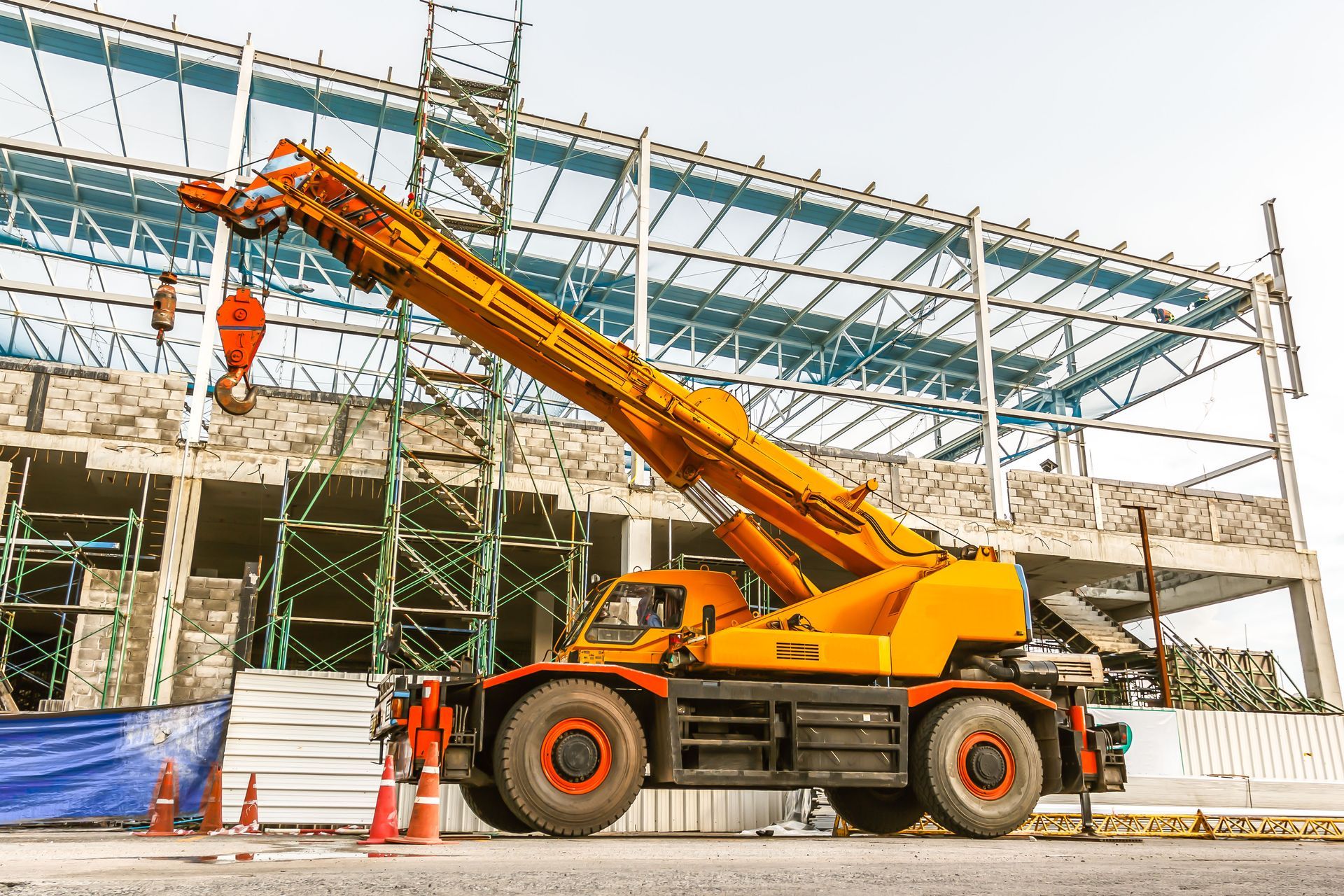
Ensuring that safety standards in crane operations are a cornerstone of the construction industry that must be followed. Operator training and certification programs play a critical role here, equipping professionals with the knowledge required to handle complex machinery safely. By completing these programs, operators gain insights into safety protocols, risk management, and emergency procedures, drastically reducing accidents on site. According to Future Market Insights, typical crane sizes in rentals range from low to medium capacity (10-100 tons), suiting small to medium projects like residential and light commercial construction; hence, certified operators are well-versed in handling these specific demands safely. In many crane service operations, certified operators also help enforce compliance with Occupational Safety and Health Administration (OSHA) regulations, establishing a benchmark for safety standards across projects.
Reducing accident rates in crane operations has a direct correlation with the presence of certified operators. Training and certification programs offer a structured approach to understanding potential hazards, which helps in implementing preventive measures effectively. Insufficient training often results in mishaps that could have been avoided with the right expertise. Case studies have illustrated instances where certified operators successfully averted potential disasters, highlighting their importance in risk-laden environments. Regular safety audits, conducted by certified personnel within crane services operations, also maintain high operational safety standards, ensuring that any deviations from safety protocols are swiftly addressed.
Compliance with occupational safety regulations is another critical area where certified operators add value. Their deep understanding of regional and international safety rules aligns operational practices with legal requirements, providing a safety net for both employers and employees. Certified operators are often on the front line during inspections, demonstrating adherence to regulations and keeping operations within the boundaries of the law. The importance of regular safety audits cannot be overstated, as they create a proactive approach to safety management through continuous monitoring and assessment. Such practices, championed by certified professionals, underscore the vital role these operators play in setting and maintaining high standards in safety culture on construction sites and across crane services projects.
Enhancing Operational Efficiency
The efficiency of crane operations is significantly influenced by the skills and expertise of certified operators. With comprehensive training, these professionals have honed their abilities to maximize crane functionality, ensuring that machinery is utilized optimally without compromising safety. Such expertise is crucial in coordinating multiple crane activities on bustling construction sites, where efficiency directly impacts project timelines. Well-trained operators employ their skills to adapt swiftly to varying site conditions, making real-time decisions that enhance productivity. Importantly, the expertise of certified operators helps in balancing operational demands with safety, thereby streamlining processes and minimizing delays across many crane service operations.
Effective communication within the team is another area where certified operators excel, enhancing overall operational efficiency. By fostering a clear line of communication between crane operators, site managers, and other crew members, certified personnel help prevent miscommunications that could lead to costly delays or accidents. This role requires seasoned operators to not only understand operational specifics but also to convey precise information efficiently. Moreover, certified operators are adept at coordinating with teams to align crane movements with on-site operations, ensuring seamless processes. The holistic approach adopted by certified professionals towards communication contributes significantly to the timely completion of projects, thereby boosting client satisfaction and profitability within the crane services industry.
The impact of efficient crane operations on project budgets is profound, and certified operators play a critical role in achieving cost-effective outcomes. The ability of certified operators to manage time efficiently directly correlates with reduced operational costs, as projects can avoid overruns by adhering to planned schedules. Additionally, by optimizing crane functionality, these operators help achieve maximum output with minimal wastage, ensuring that projects stay within budget. Certified operators contribute to better resource allocation, allowing companies to streamline manpower and machinery in line with project requirements. The resultant overall efficiency not only supports effective project management but also enhances the reputation of crane service providers as reliable partners in construction and industrial ventures.
Regulating Compliance and Legal Aspects
Regulatory compliance is an indispensable aspect of crane operations, and certified operators ensure adherence to both local and international laws. It is critical to understand the specific laws relevant to crane operations, which can vary significantly depending on geographic location. Certified operators have the training needed to comprehend these regulations and apply them effectively in their work. By ensuring compliance, they minimize the risk of legal repercussions that can arise from non-compliant operations, such as fines, project halts, or more severe penalties. Their expertise in documentation and record maintenance also provides an added layer of protection, as detailed logs of operations and compliance efforts can defend against potential legal challenges.
Liability issues present a substantial risk to companies operating cranes, particularly in the case of non-compliant operations. Non-certified operators might unintentionally perform actions that breach regulatory standards, exposing companies to significant legal liabilities. The role of certification in meeting legal requirements is, therefore, crucial to mitigating these risks. Certified professionals, armed with a thorough understanding of legal constraints, ensure that operations are performed within the laid-down safety guidelines, thereby reducing potential liabilities. Furthermore, in the unfortunate event of an accident, certification programs provide documented evidence that operators were trained and competent, reducing potential claims against employers.
Fines and penalties for non-certified operations can quickly escalate to become a significant burden on crane service companies. The cost of hiring non-certified operators extends beyond immediate fines, as projects can face shutdowns resulting in delays and increased financial strain. Documentation and record maintenance, areas in which certified operators excel, are critical in avoiding such penalties. Detailed records maintained by certified operators substantiate compliance with regulatory requirements, providing a reliable reference in case of inspections or disputes. These practices are vital in sustaining operations legally, underscoring the importance of hiring certified professionals in maintaining a compliant and accountable operational environment.
Certified operators undeniably play a critical role in the crane services industry, ensuring operations are safe, efficient, compliant, and economically viable. Their expertise, grounded in rigorous training and certification programs, supports higher safety standards, operational excellence, and regulatory compliance. On an economic front, the presence of certified operators translates to lower costs, improved profit margins, and broader economic contributions. As industries evolve, continued emphasis on certification and training becomes vital in enabling operators to adapt to new technological and operational challenges. Ultimately, the sustained focus on developing certified operators is essential in advancing the construction and industrial sectors towards safe, efficient, and innovative futures. If you are located in the Stockton, CA area and seeking dependable crane services, contact the professionals at Larry's Crane today.
Share On: