
3 Facts to Know About Crane Rental Service
By Vincent Kundert | July 29, 2026
In today's construction and industrial landscape, a crane rental service plays a pivotal role in achieving project success. Whether you're involved in a small-scale building endeavor or a massive infrastructure project, utilizing crane rental services can provide the flexibility and resources necessary to meet modern construction demands. Let's delve into a few essential facts about crane rental services to help you understand their intricacies and benefits. By exploring various aspects such as cost factors, safety considerations, and the types of cranes available, you'll be better prepared to make informed decisions.
1. Types of Cranes Available for Rent
Mobile Cranes
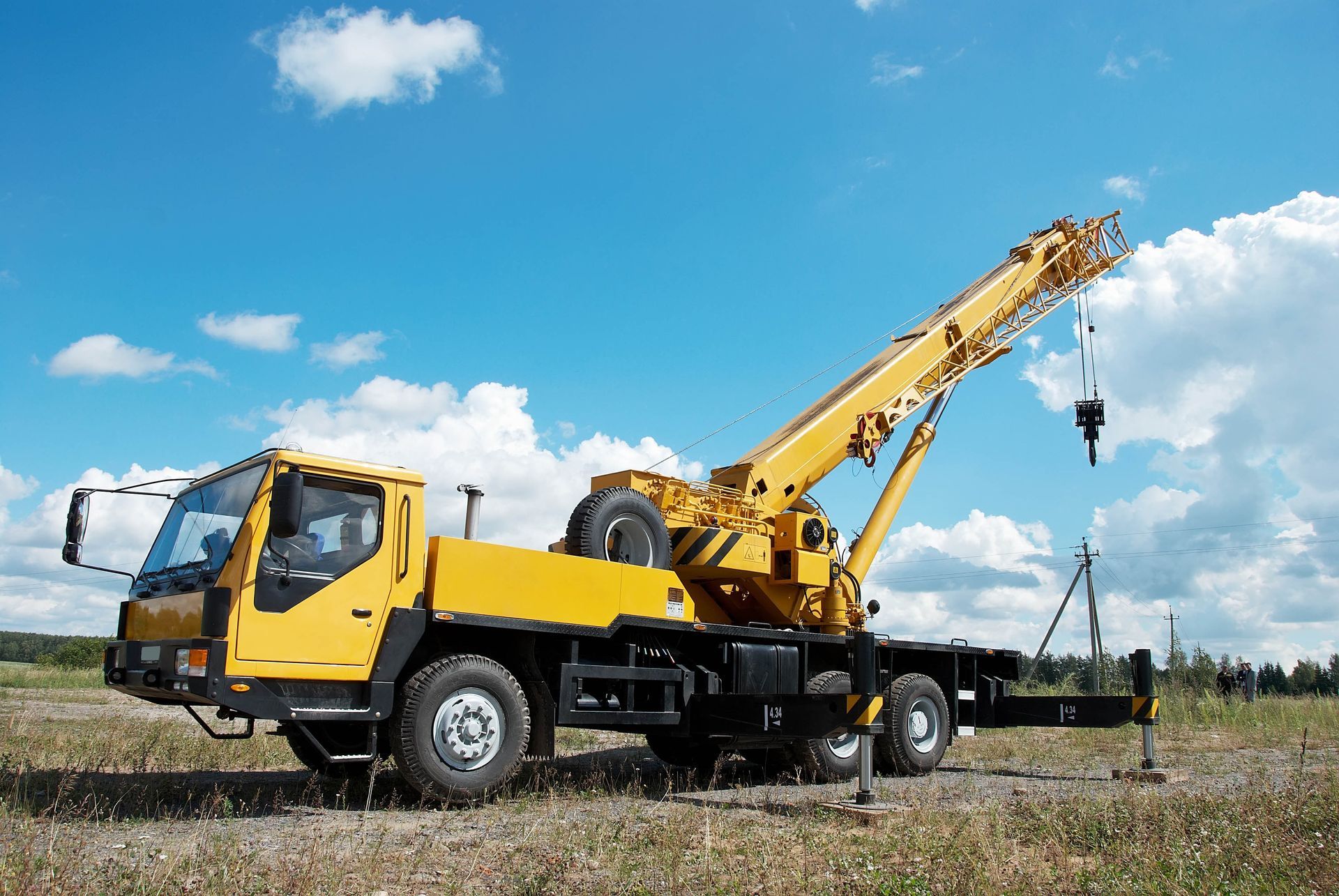
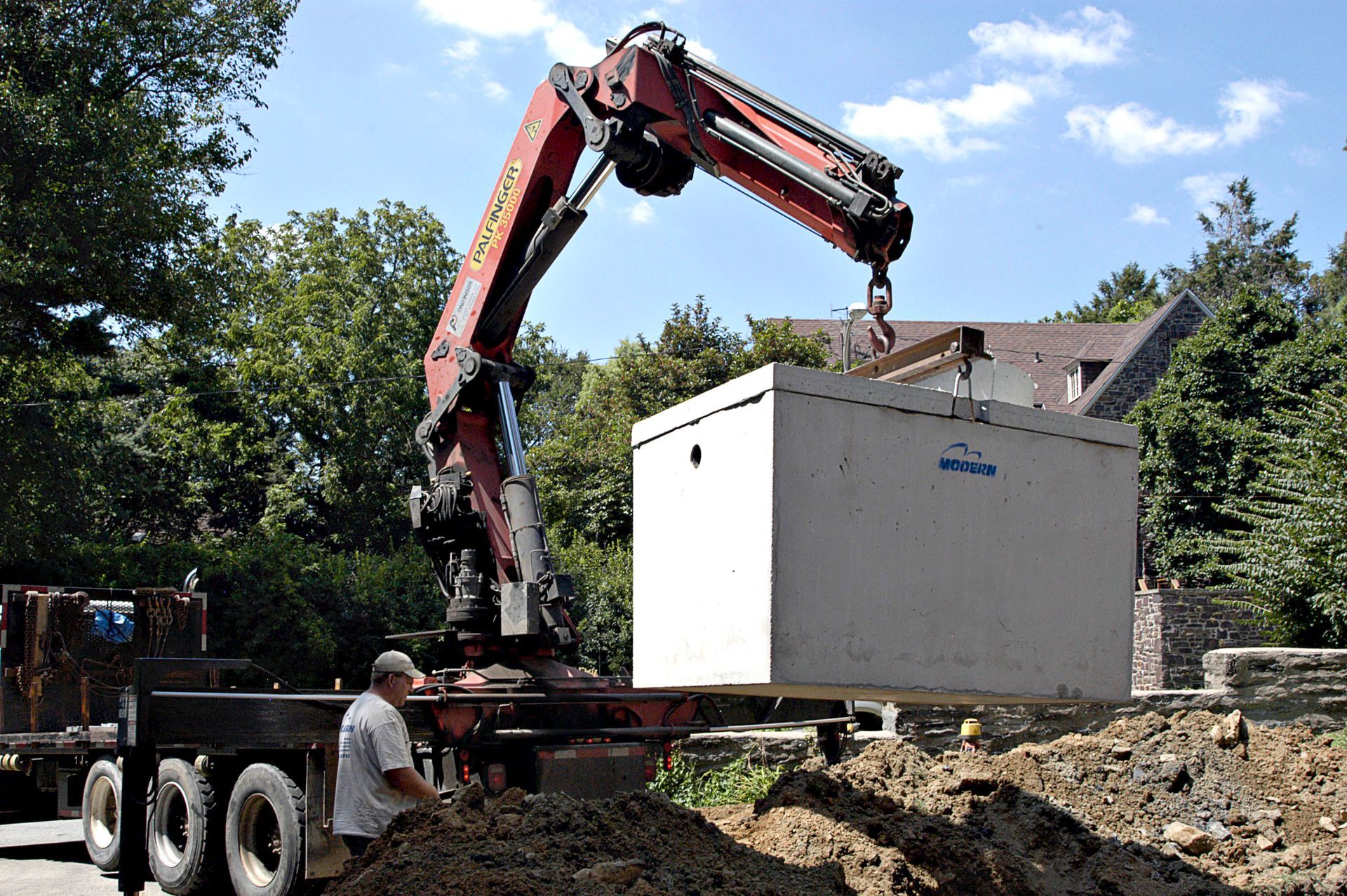
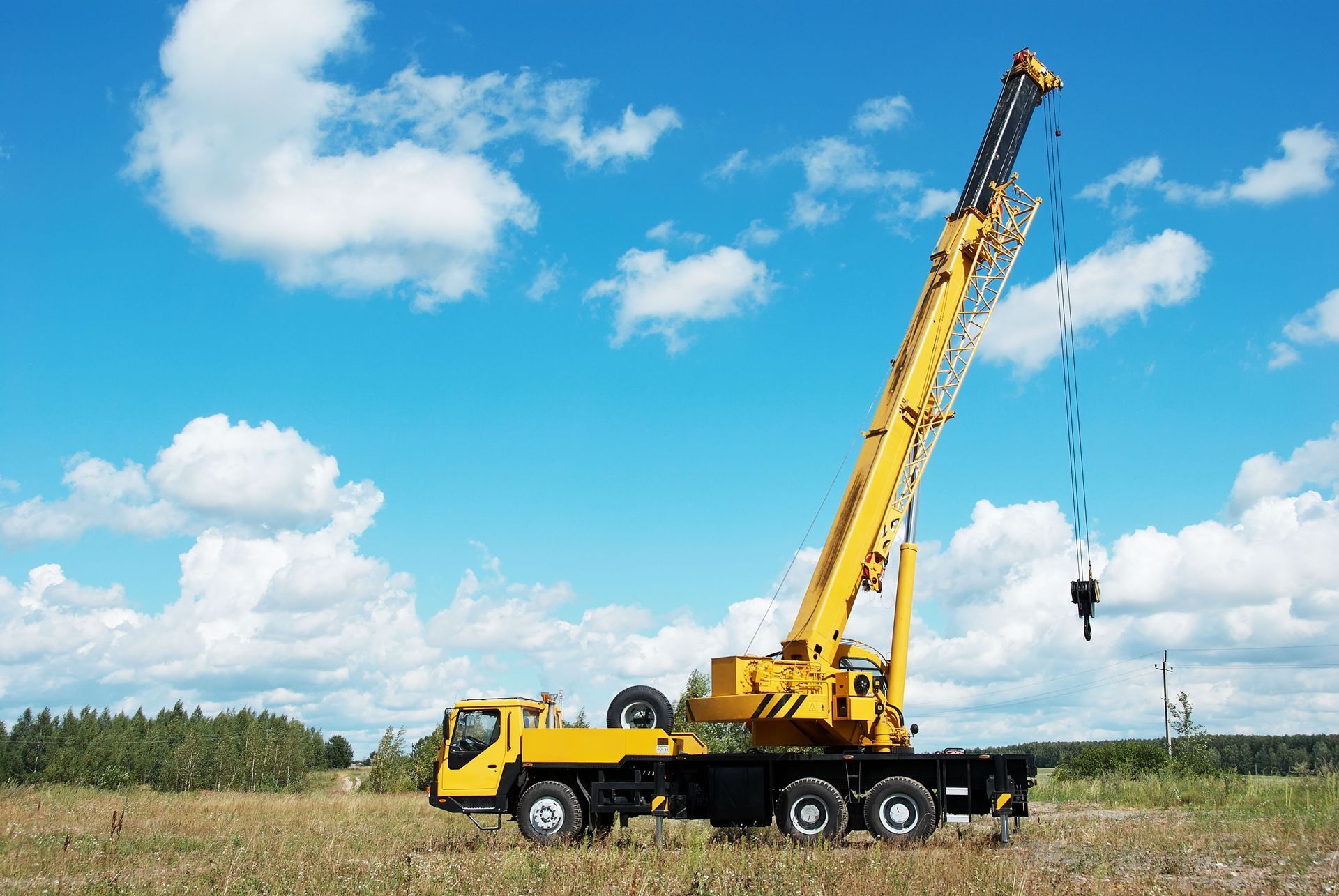
Mobile cranes offer significant advantages for construction projects due to their versatility and mobility. Equipped with wheels or tracks, these cranes can be easily transported to different job sites, making them ideal for projects with varying locations. Typically, mobile cranes possess hydraulic power, allowing them to lift heavy loads despite their compact design. Construction managers select mobile cranes for scenarios where site access is limited, and maneuverability is crucial. In addition, the time-saving aspect of mobile cranes can enhance productivity, especially in urban environments where space is at a premium.
Tower Cranes
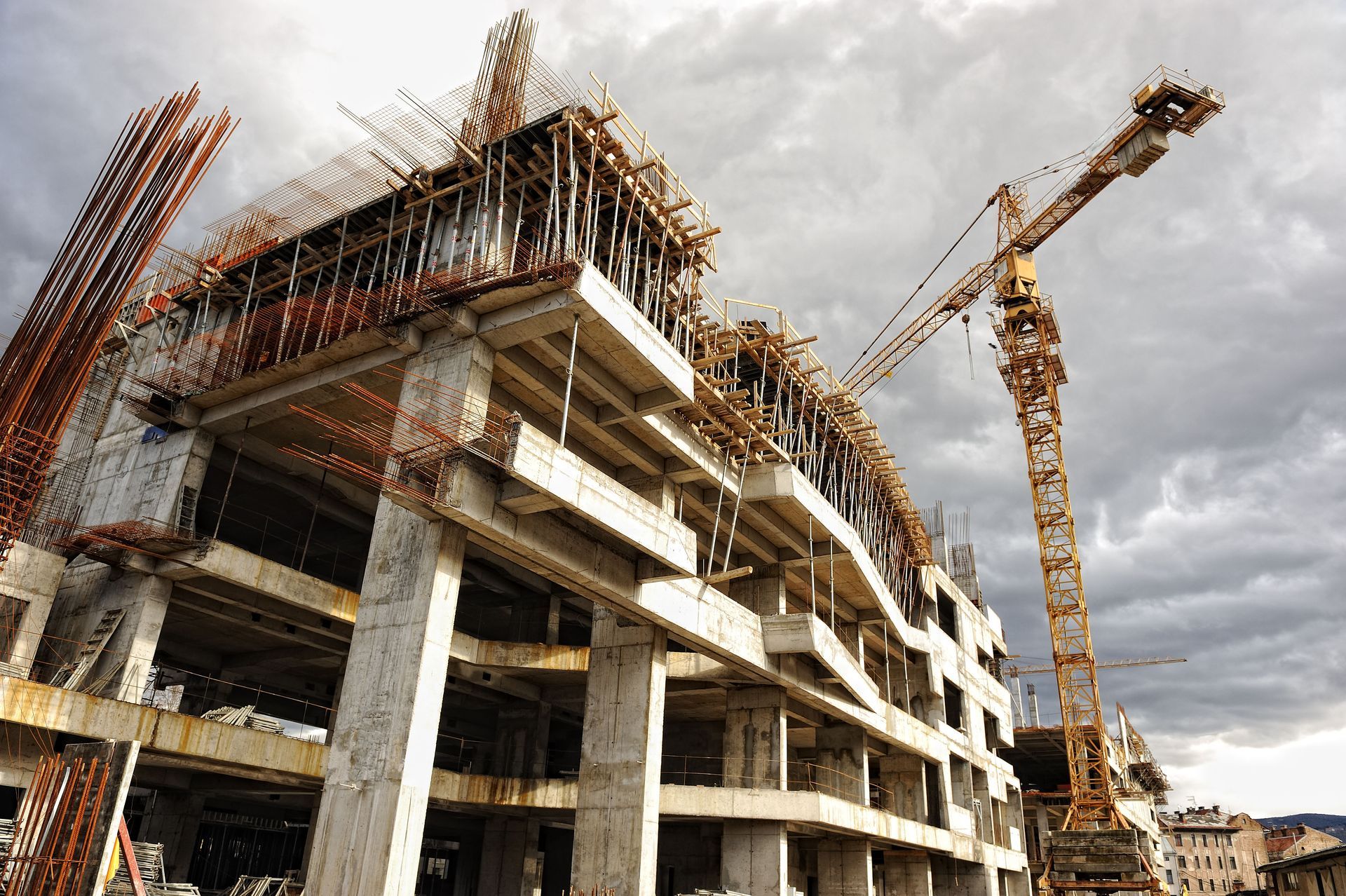
Tower cranes are a staple in constructing high-rise buildings due to their extraordinary reach and load capacity. They consist of a vertical mast, a horizontal jib, and a counter-jib, providing both height and horizontal lifting ability. According to Heavy Equipment Colleges of America, tower cranes can lift between 20 and 100 tons depending on the model. This extensive range in capacity makes them suitable for handling diverse materials, from steel beams to concrete blocks. Installing a tower crane may take some time, but its ability to lift significant loads high into the sky makes it indispensable for tall structures.
Crawler Cranes
Crawler cranes are another type of crane that is valued for their stability and power, especially on rough terrain. Unlike mobile cranes, crawler cranes are equipped with tracks instead of wheels, allowing for a more even distribution of weight and enhanced stability. These tracks enable crawler cranes to access less hospitable terrains while carrying heavy loads efficiently. Often chosen for large infrastructure projects such as bridges and dams, crawler cranes can lift extremely heavy loads without compromising safety. The lack of mobility on public roads is a limitation, but their unparalleled stability makes them ideal for challenging project sites.
Rough Terrain Cranes
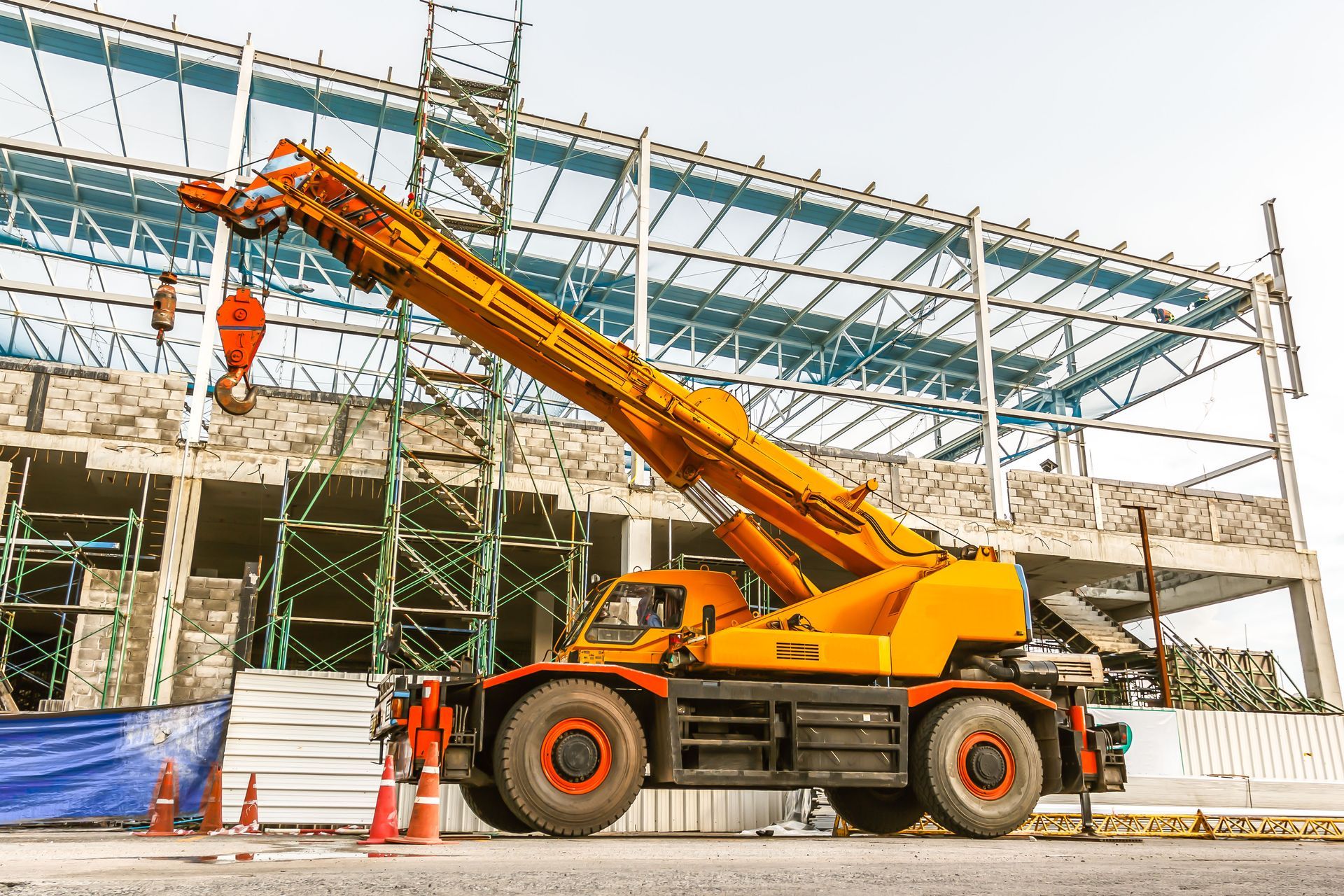
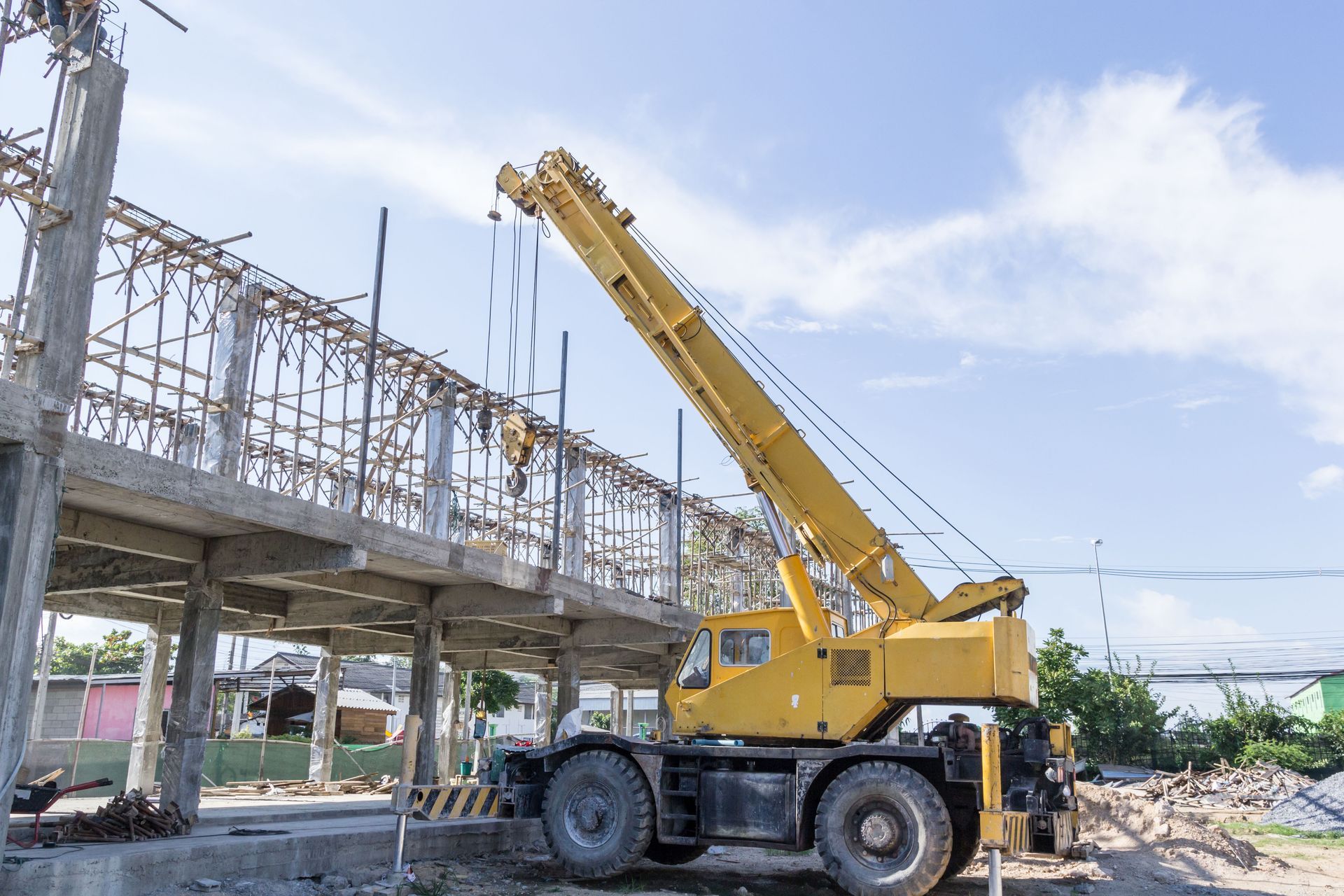
Rough terrain cranes are engineered specifically for off-road applications, making them perfect for construction sites that are not readily accessible by conventional vehicles. These cranes are mounted on a four-wheel base, designed to traverse uneven and rugged terrains effectively. With their hydraulic outriggers, these cranes offer the stability required for heavy lifting tasks even in less-than-ideal ground conditions. The ease of setup is a considerable advantage, allowing them to commence operations promptly without extensive preparation. Therefore, rough terrain cranes are a preferred choice in projects that involve challenging landscapes and remote locations.
2. The Cost Factors of Crane Rental
Hourly vs. Daily Rental Rates
When considering crane rental service costs, understanding the difference between hourly and daily rental rates is crucial. Contractors must assess the project's scope to determine which pricing model will be more cost-effective. Small tasks might benefit from hourly rates, providing financial savings if the crane is only needed for a few hours. In contrast, projects requiring extended use are typically more economical with daily rates. It's essential to plan operations meticulously to avoid incurring unnecessary costs associated with idle equipment or extended rental periods.
Additional Equipment Costs
Beyond the basic rental fee, additional equipment costs can significantly impact the total expense of crane rental service. This includes any supplemental gear or attachments required for the crane to perform specific functions. For example, special lifting hooks or spreader bars might be necessary depending on project demands. Being aware of these supplemental costs upfront can aid in budgeting and prevent unforeseen financial strain. Additionally, understanding the need for extra equipment ensures the selected crane is tailored to specific project needs, enhancing efficiency.
Operator Fees
Hiring an experienced operator is often a requisite for crane rental, leading to additional costs beyond the base rental fee. Skilled crane operators play an integral role in ensuring safe and efficient operations on-site. While the inclusion of operator fees might increase upfront costs, their expertise can minimize the risk of accidents and operational delays. In some rental agreements, the operator's fee may be bundled, while others may require separate negotiation. Clear communication with the rental service provider regarding operator fees can provide clarity and assist in precise budget planning.
Transportation Costs
Transportation costs can greatly influence the overall expense related to crane rental services, especially for heavy machinery like tower cranes. The logistics involved in delivering and setting up cranes at the construction site often require careful planning. Projects located in remote areas may face increased transportation expenses due to the complexity of logistics. It's important for project managers to factor in these costs when comparing rental options. Effective coordination with the rental provider can mitigate some transportation challenges and ensure timely delivery and setup.
3. Essential Safety Considerations
Compliance with Regulations
Compliance with safety regulations is paramount when utilizing crane rental services to ensure a secure operational environment. Regulations vary based on regional standards, targeting specific safety measures to prevent accidents. Rental clients should be familiar with the applicable legal stipulations and select providers who adhere to these safety mandates. Understanding these requirements can prevent penalties and enhance site safety. Moreover, maintaining open communication with crane operators and compliance officers helps ensure all safety protocols are consistently observed throughout the project.
Crane Maintenance and Inspection
Regular maintenance and thorough inspection of cranes are fundamental to maintaining a safe working environment. Rental services typically follow stringent maintenance protocols to ensure equipment is in peak operational condition before deployment. Customers should inquire about the provider's maintenance regimen and documentation to verify the crane's reliability. Properly maintained cranes minimize the risk of mechanical failures that could lead to potential hazards on-site. Hence, evaluating a crane rental service company's maintenance history is crucial in ensuring the continued safety and efficiency of crane operations.
Operator Training and Certification
The qualifications and experience of crane operators are essential components in safeguarding workplace safety. Certified operators possess the necessary skills and knowledge to navigate complex machinery operations safely. Rental companies usually provide trained operators, but it's important for clients to confirm the operator's credentials and experience. This verification process not only ensures compliance with legal mandates but significantly reduces the likelihood of operational errors. Engaging well-trained operators fosters a culture of safety on-site and enhances overall project productivity.
Site Assessment and Preparation
A thorough site assessment and preparation play vital roles in ensuring the effective utilization of crane rental services. Understanding the specific site conditions can inform decisions regarding the type of crane needed and its positioning. Key elements such as ground stability and spatial constraints should be analyzed before crane setup. Adequate planning helps avoid unforeseen challenges and ensures smooth operations. Proper site preparation not only optimizes equipment deployment but also contributes significantly to maintaining safety standards on the construction site.
Weather and Environmental Conditions
Weather and environmental conditions are critical factors that can impact crane operations significantly. High winds, heavy rainfall, or lightning can create hazardous situations, often necessitating an operational pause. It's crucial for project managers to monitor weather forecasts and plan crane activities accordingly. Adapting to changing weather conditions helps minimize risks and maintain worker safety on-site. Proactive measures, such as securing equipment and ensuring operators are aware of emergency protocols, further enhance overall safety during adverse weather events.
A crane rental service presents numerous benefits, including flexibility, cost efficiency, and access to the latest technology, which makes them an attractive option for construction and industrial projects. By understanding the types of cranes available, associated costs, and safety considerations, project managers can make informed decisions that enhance productivity and safety on site. If you're ready to get started with a crane rental service, reach out to the experts at Larry's Crane today!
Share On: