
The Advantage of Choosing a Local Crane Rental Over National Chains
By Vincent Kundert | January 22, 2026
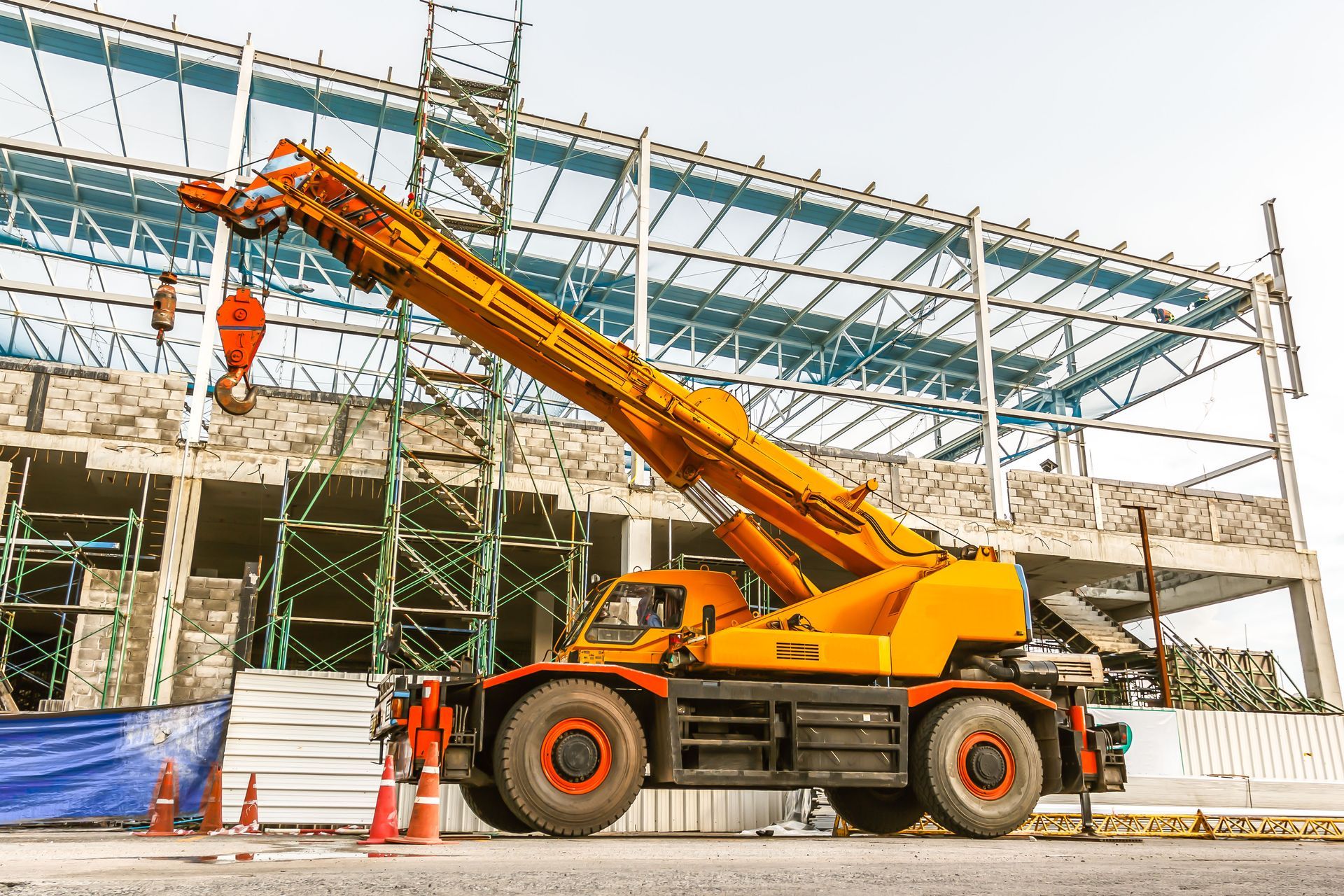
Selecting the right crane provider can significantly influence the success, safety, and efficiency of a construction or lifting project. From setting steel beams on a commercial build to positioning HVAC units on a multi-story structure, crane services involve precision, timing, and a high level of trust between the contractor and the equipment provider. While national crane chains often promote their expansive fleets and brand recognition, many project managers, developers, and homeowners are discovering the practical and financial benefits of working with a local crane rental company instead. A provider rooted in the community tends to offer faster service, more flexible scheduling, and a deeper understanding of regional project demands. These advantages become even more valuable in time-sensitive or highly specialized jobs where delays or miscommunication can lead to costly setbacks. Understanding why a local crane rental often outperforms large national competitors helps project leaders make more informed and confident decisions.
Understanding Project-Specific Service
Every construction and lifting project is shaped by its location, scale, and environmental conditions. Soil stability, weather patterns, access roads, and zoning regulations all influence how a crane must be deployed. A local crane rental provider operates within these conditions every day, which gives them an advantage when planning and executing lifts. Their teams are already familiar with the region’s terrain, seasonal changes, and common site challenges, allowing them to anticipate potential complications before they affect the schedule.
This localized knowledge is particularly valuable when projects require quick adjustments. For example, if a site becomes muddy after heavy rain or a tight urban space limits equipment placement, a local crane rental company can quickly recommend alternative crane configurations or lifting strategies that work within those constraints. National chains may need to consult centralized planning offices or move equipment from distant yards, which can slow down response times. In contrast, a local provider often keeps equipment and experienced operators nearby, making it easier to adapt to evolving site conditions.
Supporting Cost Efficiency and Budget Control
Cost control is a critical concern for any construction or industrial project, and crane services represent a significant portion of many budgets. Choosing a local crane rental often leads to more predictable and transparent pricing. Local providers generally have lower overhead costs compared to national chains, which must maintain large corporate offices, marketing departments, and complex administrative structures. These savings are frequently passed on to customers in the form of competitive rates and fewer hidden fees.
Transportation costs also play a major role in crane pricing. When equipment has to be hauled from a distant regional hub, mileage, fuel, and labor charges can quickly add up. A local crane rental company usually operates yards close to the project site, which reduces mobilization expenses and shortens delivery times. This proximity can make a noticeable difference, especially for short-term jobs or projects that require multiple crane visits over several weeks.
Budget flexibility is another advantage. Local providers are often more willing to customize pricing based on project scope, duration, and repeat business. Instead of rigid corporate rate sheets, customers may receive tailored quotes that reflect the true needs of the job. This personalized approach allows contractors to better align crane services with their overall project budgets while maintaining high standards of safety and performance.
Enhancing Scheduling and Availability
Construction schedules are rarely static. Weather delays, supply chain disruptions, and permitting issues can all cause unexpected changes. Having a crane provider that can adjust quickly is essential to keeping a project on track. A local crane rental company is typically better positioned to accommodate schedule shifts because their equipment and crews are already operating in the area.
National chains often manage equipment across wide geographic regions, which can make last-minute changes more difficult. If a crane assigned to one job is delayed at another site, it may not be easy to find a replacement without incurring additional transportation or downtime costs. In contrast, a local crane rental provider usually maintains a fleet that is dedicated to a smaller service area, making it easier to reassign equipment when priorities change.
Availability also extends to support services. If a mechanical issue arises or an operator needs to be replaced, a local provider can respond more quickly. Their technicians and certified operators are nearby, which reduces downtime and minimizes disruptions to the project timeline. This level of reliability is particularly important on complex lifts where delays can affect multiple trades and increase overall costs.
Leveraging Regional Industry Expertise
The crane rental industry is shaped by regional trends in construction, manufacturing, and infrastructure development. Some areas may see higher demand for commercial high-rise construction, while others focus on energy projects, bridge work, or industrial facilities. A local crane rental company builds its expertise around these regional patterns, which allows it to provide more relevant guidance and equipment options.
According to IBISWorld, between 2019 and 2024, the U.S. crane rental industry expanded at an average annual growth rate of 1.6% and comprised approximately 1,398 businesses. This data reflects a competitive and diverse marketplace in which many specialized providers serve specific geographic and industry niches. A local crane rental company often represents a deep well of experience within its particular market, offering insights that go beyond what a national chain’s generalized approach can provide.
This expertise can be especially valuable during the planning phase of a project. Local providers can advise on the best crane type, lift plan, and permitting strategy based on what has worked successfully in similar nearby jobs. They may also have established relationships with local inspectors, engineers, and subcontractors, which can streamline approvals and coordination. By tapping into this regional knowledge, project managers gain a strategic advantage that supports smoother operations from start to finish.
Building Stronger Safety and Compliance Practices
Safety is the cornerstone of any crane operation. Lifting heavy loads over active job sites involves inherent risks that must be carefully managed through training, equipment maintenance, and regulatory compliance. A local crane rental company often places a strong emphasis on these areas because its reputation within the community depends on consistent, high-quality performance.
Local providers are typically well-versed in state and municipal safety regulations, which can vary significantly across jurisdictions. They understand local permitting requirements, inspection protocols, and worksite standards, allowing them to ensure that every lift meets or exceeds compliance expectations. This reduces the likelihood of costly delays or fines caused by regulatory issues.
A local crane rental company is more likely to foster long-term relationships with its clients, which encourages a culture of accountability and continuous improvement. Operators become familiar with recurring customers and their job sites, leading to better communication and safer work practices. This level of familiarity is difficult to achieve with national chains that rotate crews and equipment across large territories.
Strengthening Community and Business Relationships
Choosing a local crane rental provider does more than support a single project; it contributes to the economic health of the surrounding community. Local businesses employ local workers, pay local taxes, and reinvest their earnings into nearby services and infrastructure. When contractors choose a local provider, they help sustain a network of skilled professionals who are invested in the region’s long-term growth.
National chains, by contrast, may not have the same level of personal connection to the projects they serve. While they can deliver standardized services across multiple locations, they often lack the local accountability that motivates providers to go above and beyond. A local crane rental company’s reputation is built job by job, which encourages a higher standard of service and customer care. For those seeking a crane provider that combines technical capability with personalized service, a local option often proves to be the smartest choice. Call Larry’s Crane today to schedule your crane rental service.
Share On: